
Last updated November 23, 2026
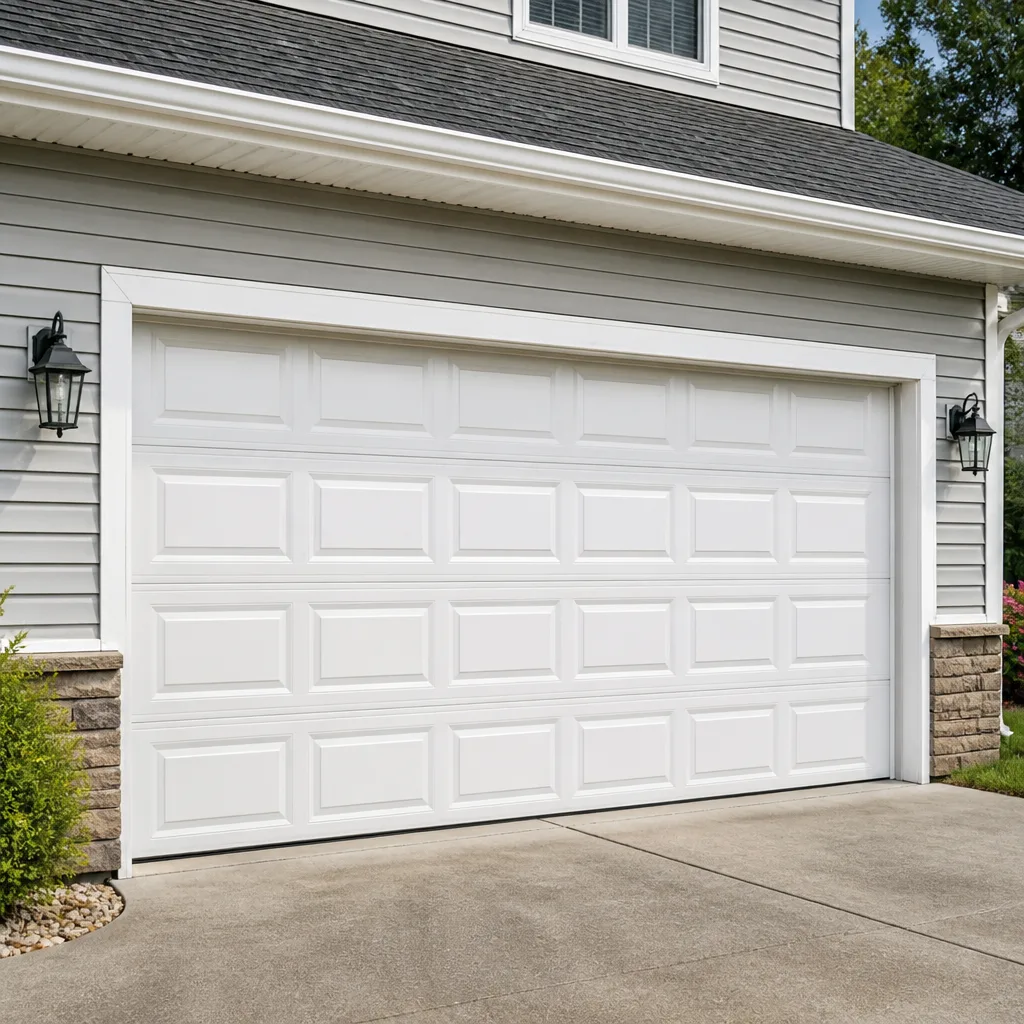 Raised-panel steel
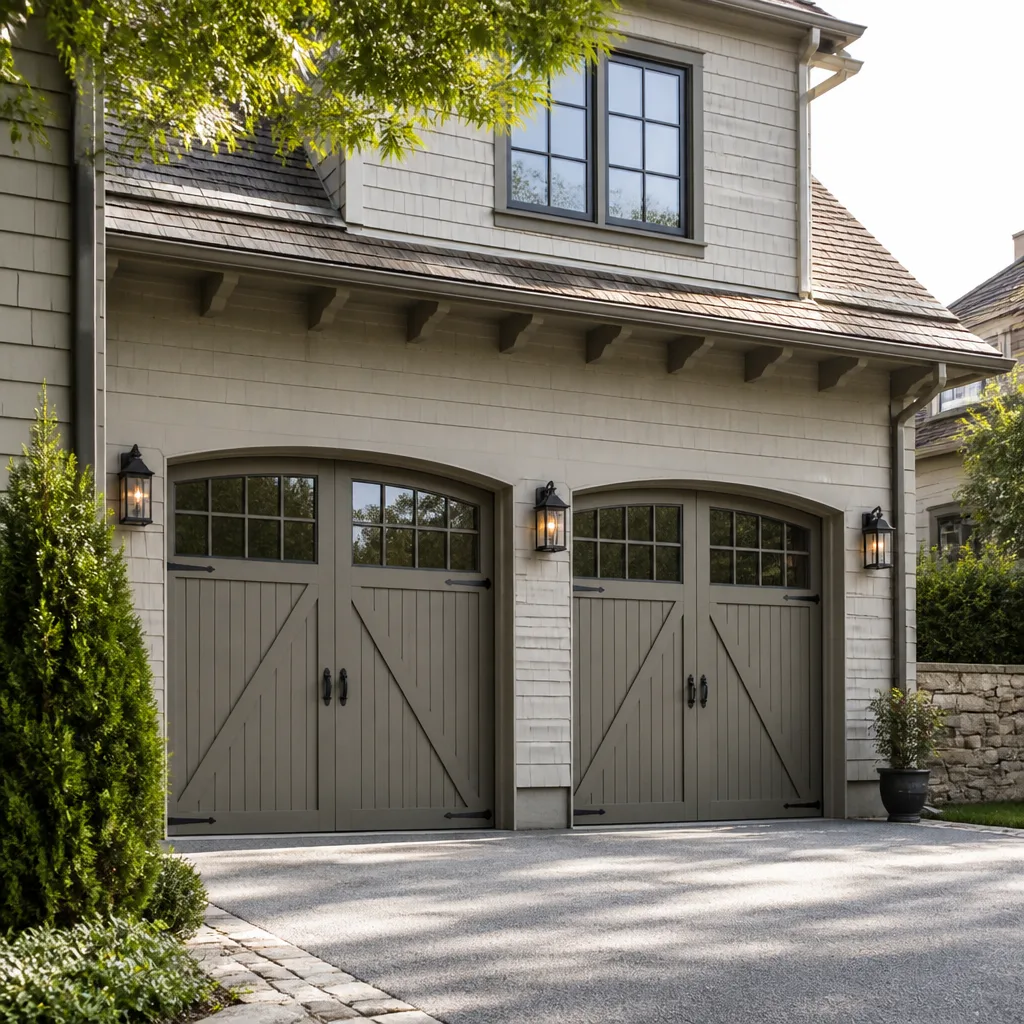 Carriage house
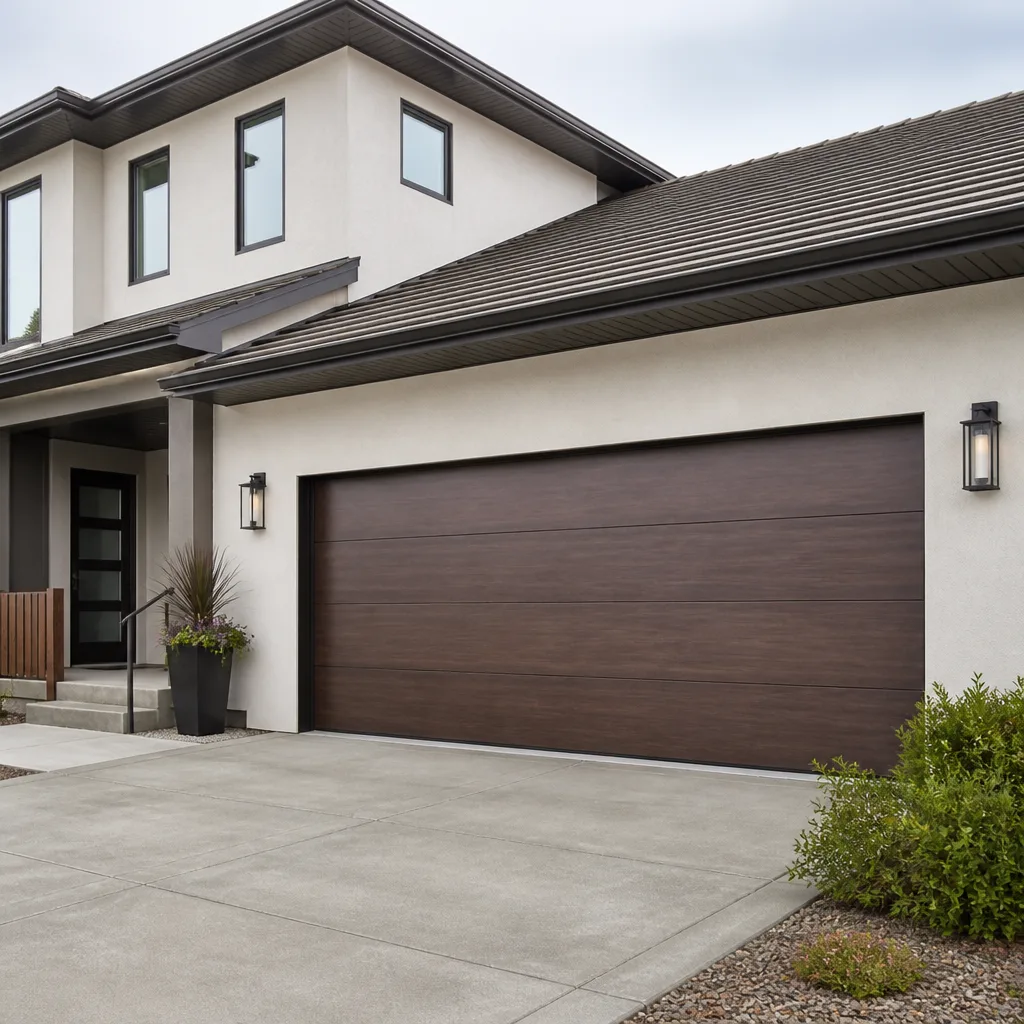 Modern flush
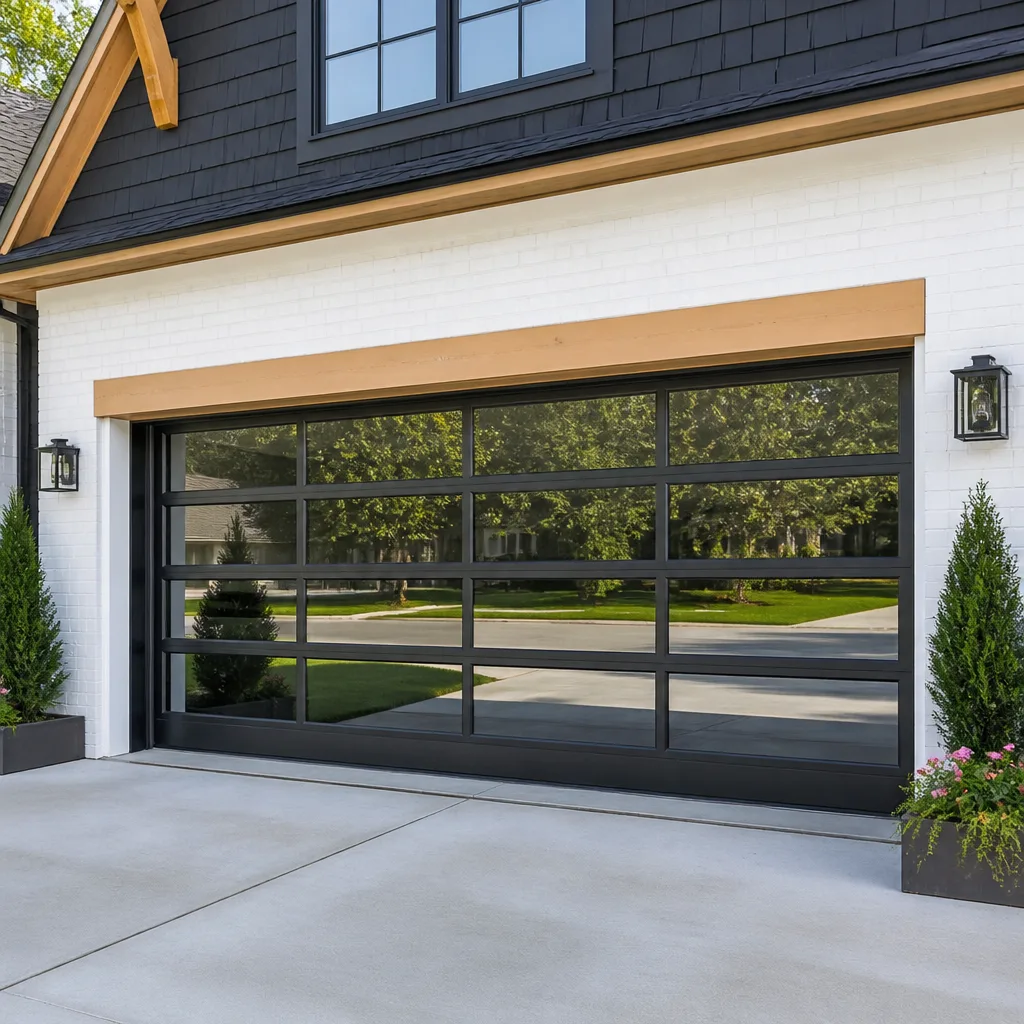 Full-view glass
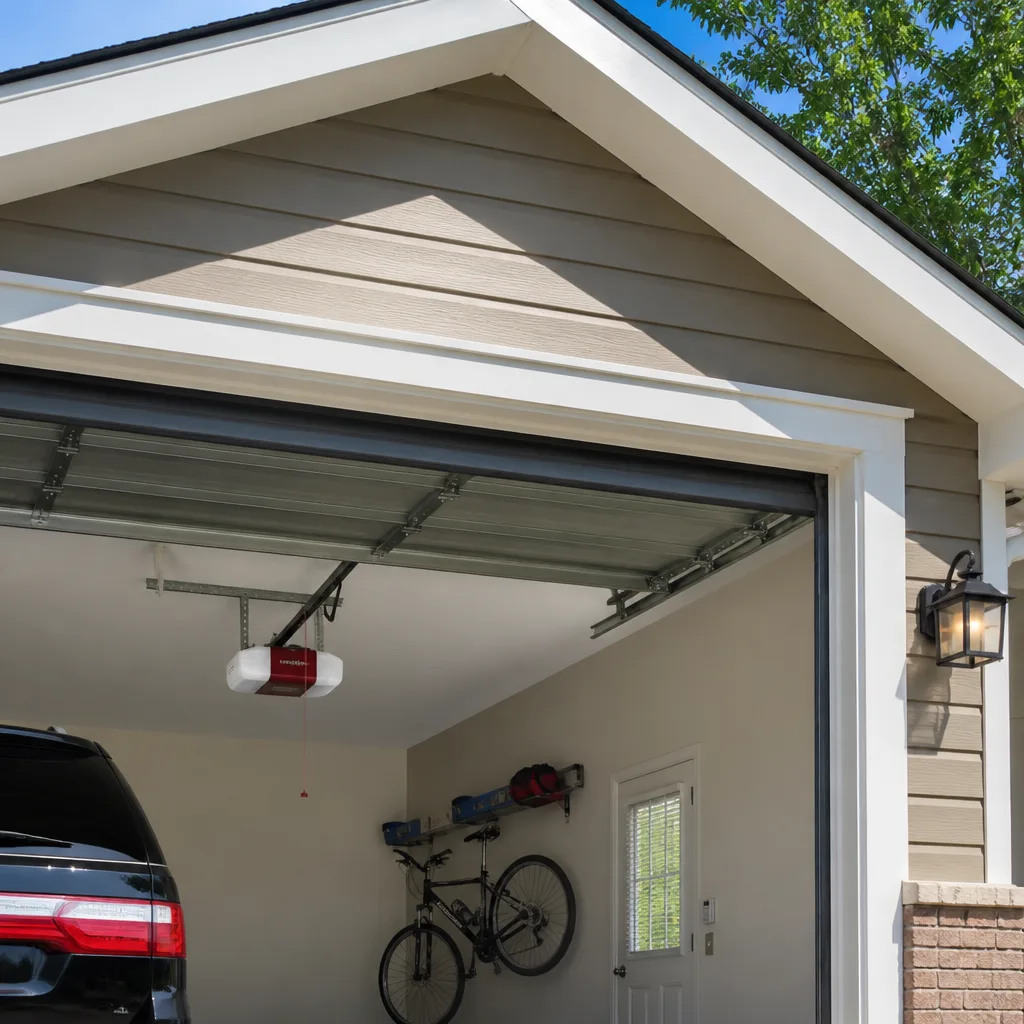 LiftMaster openers
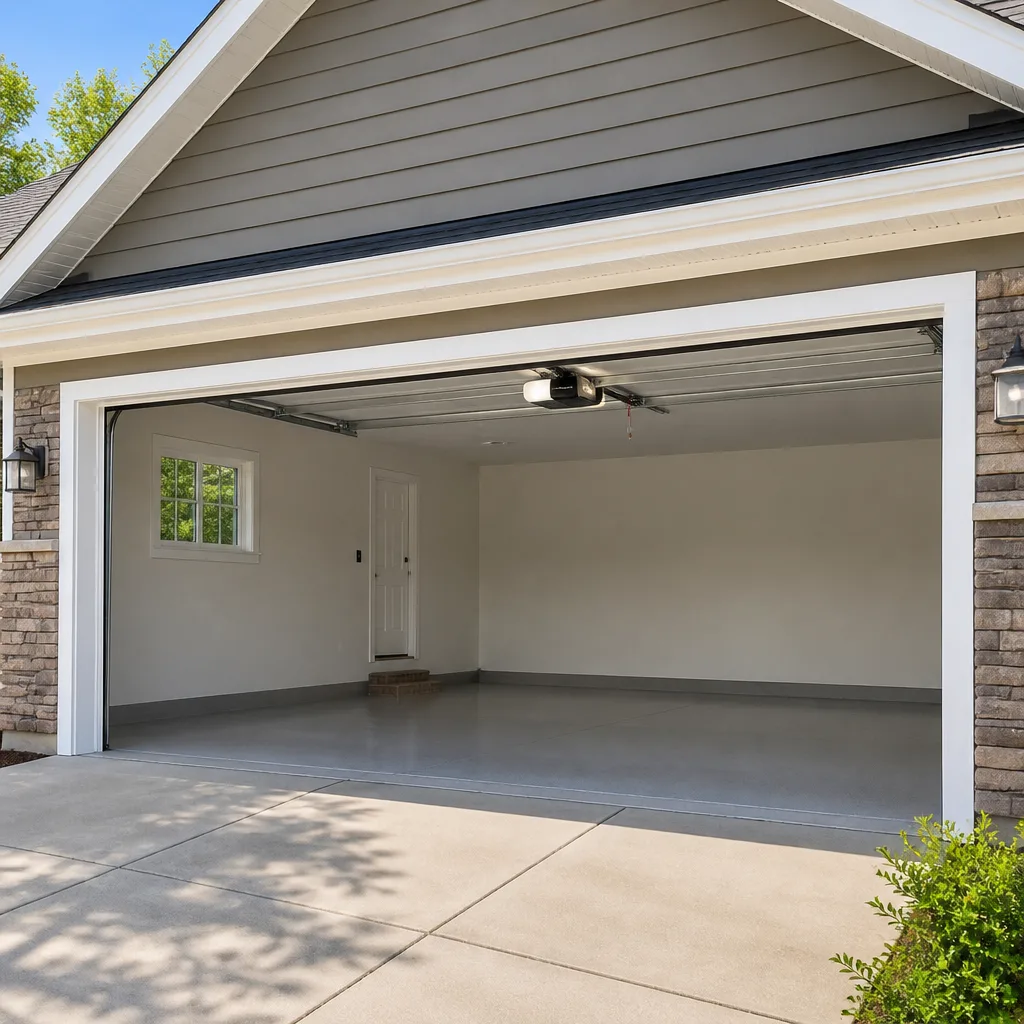 Chamberlain openers
Full 25-point door and opener safety check with every visit - springs, cables, rollers, tracks, and your LiftMaster or Chamberlain opener included
You get a price before we start. It does not change when the pro arrives.
Get your free estimateSeasonal Garage Door Care for Manassas: Year-Round Homeowner’s Guide
Most homeowners in Manassas assume their garage door’s toughest test comes in January, when the cold settles in and everything feels stiff and reluctant. That’s understandable. It also happens to be wrong. In our experience, the call that starts with “it’s grinding when it goes up” arrives far more often in August than in winter, and it usually traces back to heat expansion in steel tracks and humidity swelling wooden panels. The cold months do their own damage, just on a different schedule and to different parts. This guide walks through all four seasons of garage door care the way Manassas weather actually stresses the hardware: springs, panels, tracks, seals and openers. You’ll learn what each season does mechanically, what to check, and which single task matters most for getting years more life out of the door you already own.
Styles & brands we work with
- Raised-panel steel
- Carriage house
- Modern flush
- Full-view glass
- LiftMaster openers
- Chamberlain openers
Quick Answer
Seasonal garage door care in Manassas works on four distinct stress periods, not a generic twice-a-year schedule: summer heat and humidity warp tracks and strain openers, fall freeze-thaw cycles wreck weather seals, winter cold-cycling fatigues springs, and spring is for recovery and re-tensioning. The highest-return task is a twice-yearly balance and lubrication check, and the one most homeowners skip is inspecting and replacing the bottom weather seal before the first freeze. Do those two things and the rest of the seasonal checklist becomes maintenance rather than repair.
Table of Contents
- Why Seasonal Care in Manassas Isn’t Generic Advice
- Summer: Heat Expansion, Track Alignment and Opener Heat Tolerance
- Fall: Seal Integrity Before the Freeze-Thaw Cycle
- Winter: How Cold Cycling Fatigues Springs and Cables
- Spring: Post-Winter Recovery and Re-Tensioning
- The Single Annual Task With the Highest ROI
- The Seasonal Task Most Homeowners Skip
- A Year-Round Checklist You Can Actually Keep
- Common Mistakes to Avoid
- When to Call a Professional
- Frequently Asked Questions
- The Bottom Line
Why Seasonal Care in Manassas Isn’t Generic Advice
Most garage door maintenance advice you’ll read was written for a single climate and copied everywhere. It doesn’t fit a place where summer humidity hangs heavy and winter delivers real freezes within a few months of each other. Manassas sits in a climate band that hands your garage door four genuinely different kinds of stress in a single year, and each one acts on different parts of the system.
Here’s the mechanical reality. Spring steel holds tension through temper created in manufacturing, and temper responds to temperature cycling. Wooden and composite panels take on moisture when relative humidity climbs and release it when the air dries out, so they move. Steel tracks expand in heat and contract in cold, so their alignment shifts by small fractions that add up. Rubber seals harden and crack from both UV and repeated freezing. The opener’s motor and control board have their own operating temperature ranges, and an opener mounted in a hot, unventilated garage is working closer to its limits than one in a shaded space.
Manassas neighborhoods like Old Town, Sudley, and the communities around Liberia Avenue all sit in that same band. A door facing west picks up the strongest afternoon sun load in summer, which accelerates heat expansion on that side of the track more than the shaded side, and that asymmetry is exactly what produces the uneven grinding some homeowners notice in August. A north-facing door dries out more slowly after rain and holds moisture in its seals and bottom weatherstrip longer, which matters more in fall and spring.
- Summer: heat expansion in steel, humidity swelling in wood, opener thermal limits, seal shrinkage.
- Fall: freeze-thaw begins, seals crack, gaps open, hardware loosens as wood shrinks.
- Winter: cold cycling stresses spring temper and cables, lubricant thickens, metal contracts.
- Spring: recovery, re-tensioning, clearing grit and debris, checking what winter loosened.
Treat those as four distinct checkpoints rather than an “oil it twice a year” routine and you’re already ahead of most service calls. If you want the full technical background on any repair your door needs after a seasonal failure, our Manassas Garage Door Repair Pros guide gives the broader picture.
Summer: Heat Expansion, Track Alignment and Opener Heat Tolerance
Late summer is when garage door tracks in Manassas are most likely to drift out of alignment. The cause is straightforward physics: steel tracks expand in the heat of the day and contract overnight, and high humidity swells wooden panels so they press against the tracks more firmly. Every one of those expansion cycles nudges the track’s mounting brackets a little. Over a summer, those small movements add up to a door that scrapes, catches, or grinds on one side. The sound you hear in August is often the sound of summer, not a failing part.
There’s a second summer issue that catches homeowners by surprise: opener heat tolerance. Most residential openers are rated to run within a certain ambient temperature range, and most garage doors in Manassas are mounted in garages that get much hotter than the outside air. Attic-style installations, or any garage with poor ventilation and a west-facing door, can push the opener’s motor and control board toward the upper end of their rated range on the hottest afternoons. When that happens, many openers have a thermal cutoff that protects the motor by refusing to run until it cools. If your door works fine in the morning and refuses to respond in the afternoon, the opener isn’t dead. It’s hot.
What to check in summer:
- Listen at the track. Stand inside the garage and run the door. Grinding from one side only, or a rhythmic scrape, suggests the track has moved and the door is riding against it.
- Look for a vertical gap. Check that the track brackets haven’t pulled away from the wall. Brackets that sit slightly off the wall are a sign of expansion-driven movement.
- Test during the hot part of the day. If the door hesitates or refuses only in the afternoon, suspect the opener’s thermal cutoff rather than a failing motor.
- Check the weather seal at the bottom. Heat shrinks rubber seams, and gaps that were invisible in April can open up in July.
If a Genie or Chamberlain opener is cutting out repeatedly in the heat, that’s a diagnostic call worth making. Our garage door opener repair service covers thermal cutoffs, worn gears, and control-board issues across the top brands, and the technicians working on your door have up to 14 years of experience with these systems.
Fall: Seal Integrity Before the Freeze-Thaw Cycle
Fall is the season where a little prevention does the most good, and it’s also the season most homeowners accidentally skip. Once overnight temperatures start dipping toward freezing and climbing back above it during the day, every freeze-thaw cycle works on the weakest points of your garage door: the bottom weather seal, the side seals, and any caulking or trim that’s already showing wear. A rubber seal that’s cracked or missing flexes every time it freezes and thaws, and each cycle widens the crack until the seal tears clean through. A seal that fails in fall lets cold air, moisture, and insects in all winter, and it becomes a service call.
In Manassas, the freeze-thaw window runs roughly November through February. Nights get below freezing and days climb well above it. That’s a lot of expansion and contraction in rubber and caulk. The task is to inspect every seal before that cycle begins, while the rubber still has flexibility and the gaps are still small enough to fix cheaply. If a seal looks chalky, has visible cracks, or leaves a visible gap at the bottom of the closed door, replace it before the freeze sets in.
Fall checklist:
- Close the door and look for light. Stand inside the garage with the lights off. Any daylight at the bottom or sides is cold air getting in all winter.
- Press the bottom seal. Flexible rubber returns to shape. Brittle rubber stays compressed or cracks.
- Check side and top seals. Look for gaps where the trim meets the frame, and re-caulk anything that’s pulling away.
- Test the door’s balance. Disconnect the opener and lift the door by hand to about waist height. A balanced door stays there. One that falls on its own needs its springs adjusted, and that’s a job for a specialist.
- Look at the springs and cables. Any visible rust or fraying on the cables, or a gap in the coil on a torsion spring, is a sign the spring is near the end of its life.
Replacing a failing weather seal in fall costs a fraction of what a spring break or cable repair will later. It’s the cheapest insurance you can buy for the winter season. For the more common failure cases, our garage door repair service covers seals, tracks, rollers, and hardware across Clopay, Amarr, and other major door brands.
Winter: How Cold Cycling Fatigues Springs and Cables
Winter is when springs break, and the reason is mechanical rather than mysterious. A torsion spring is a coil of steel held under heavy tension. Every time the door opens and closes, the spring cycles through one extension and one return. Cold doesn’t just make the metal stiffer; it changes how the steel behaves under that cycling load. Repeated cold cycles stress the temper of the spring and make it more brittle, and the same cycling works on the cables and the hinges. A spring that’s been fine all year can fail on the first genuinely cold morning because the combination of cold-stiff metal and a single operating cycle finally exceeds what the temper can take.
Lubricant also thickens in cold, which matters more than most homeowners realize. A door that was quiet in October can start groaning in December simply because the lubricant on the rollers, hinges, and track has thickened and stopped doing its job. That extra resistance puts more load on the opener and the springs, and it nudges the whole system closer to failure. Lubrication in late fall is therefore a winter-prep task, not a spring-cleaning task.
Cold also contracts the metal of the tracks and the door panels, and that contraction can open gaps that were tight in summer. If your garage felt comfortable in October and drafty in January, contraction is part of the reason.
What to watch in winter:
- Any bang from the garage followed by a door that won’t lift evenly usually means a broken spring. Stop operating the door and call for service; a door being run with one good spring on a two-spring system puts dangerous load on the remaining one.
- Sluggish or noisy operation points to thickened lubricant and cold-stiff metal. Lubrication in late fall prevents this.
- Doors that lift unevenly suggest a stretched cable or a weakening spring, both of which worsen with cold cycling.
- Frozen seals that stick to the floor when the door opens will tear if you keep forcing them, which is why fall seal work matters.
High-tension springs and cables are dangerous to touch, and a broken spring stores enough energy to cause serious injury. This is a job for a trained technician, not a weekend project. If your spring breaks in Manassas this winter, our garage door spring repair handles torsion and extension springs as a standard part of our work, and we answer the phone 24/7 when it happens.
Spring: Post-Winter Recovery and Re-Tensioning
Spring is the season for undoing what winter did. The freeze-thaw cycle has loosened hardware, the contraction and expansion have moved the tracks, the cold cycling has stretched cables and fatigued springs, and grit and salt have been tracked onto the rollers. A door that survived winter can still be quietly on its way to a failure in June if those small issues aren’t addressed in March and April.
What needs attention after a Manassas winter:
- Re-tension check. Disconnect the opener, lift the door by hand, and see whether it stays where you leave it. A door that drifts down needs its spring tension adjusted. Don’t adjust it yourself; a small change in tension has a big effect on how the door behaves and requires the right tools to do safely.
- Track inspection and re-alignment. Look for tracks that have pulled slightly away from the wall or bowed inward at the bottom. Cold contraction and daily use both move them, and a track that’s even a few millimeters off will wear the rollers faster.
- Roller and hinge lubrication. Clear the winter grit and re-lubricate the rollers, hinges, and the length of the track. Use a lubricant meant for garage door hardware rather than general-purpose oil, which gums up over time.
- Hardware tightening. Check that the bracket bolts, hinge screws, and track mounting brackets are snug. Expansion and contraction loosen these over the season, and a loose bracket is the entry point for track problems.
- Cable inspection. Look for fraying, rust, or slack in the cables. Don’t touch them; cables under tension are dangerous. Note the condition and let a technician handle it.
- Seal check. Winter can crack a seal that was fine in the fall. Confirm the bottom and side seals survived and replace anything that’s gone brittle.
Spring is also the season for the single most important thing you can do for your opener: test the safety reverse. Put a small object like a roll of paper towels on the floor under the closing door. The door should reverse when it contacts the object. If it doesn’t, the opener needs adjustment before it’s used as normal.
The Single Annual Task With the Highest ROI
If you do only one thing for your garage door this year, do a balance and lubrication check. It’s the single task that extends the life of every other component. Here’s why: a balanced door puts the load where it belongs, on the springs, and lets the opener do less work. An unbalanced door makes the opener push and pull against its own weight, which wears the opener’s motor, gear, and drive system. It also makes the springs work harder on one side than the other, which shortens their life. And it’s not a coincidence that a door that’s out of balance also wears its rollers and hinges unevenly.
The check itself takes ten minutes:
- Disconnect the opener using the manual release. The door is now free to move by hand.
- Lift the door to waist height and let go. A balanced door holds its position.
- Lift the door to knee height and let go. It should stay there too, not drift down.
- Lower the door slowly and listen for grinding or rubbing. That sound tells you the track is out of alignment.
- Reconnect the opener and run the door. It should open and close smoothly without hesitation.
If step 2 or 3 fails, that’s a spring tension job. Don’t touch the springs yourself. If the door is balanced, the lubrication side of the task is simple: apply garage door lubricant to the rollers, hinges, track, and springs. Do it once in spring and once in late fall, and you’ll cut wear significantly.
Our technicians have up to 14 years of experience with the full range of balance and spring work, and we treat spring service as core business rather than an upsell. A garage door spring repair visit starts with a balance check anyway, because a spring job that ignores door balance will fail again.
The Seasonal Task Most Homeowners Skip
The task that causes the most service calls in Manassas is the one almost nobody does in the fall: inspecting and replacing the bottom weather seal. It’s boring, it’s at floor level, and it doesn’t seem important until a freeze arrives and the seal tears in half. Then it’s an emergency for a door that’s stuck open or a floor full of snow. A seal replacement in fall is a small job. A seal torn in January means the door can’t close cleanly, and if the door is also cold-cycling a spring, that becomes a two-part repair.
The other overlooked task is checking that the door closes completely. A door that stops an inch short of the floor because the bottom seal has swelled or the track has bowed lets air in and leaves the security side weaker than it should be. Look for daylight at the bottom, feel for cold air when the door is closed, and run your hand along the seal to check for cracks and gaps. Ten minutes in October saves a call in January.
If the seal is beyond saving, a trained technician can replace it with the door still on the track. Our technicians are familiar with Clopay, Amarr, and Chamberlain hardware, and we field plenty of seal and track calls in Manassas neighborhoods like Georgetown South and the homes around Signal Hill.
A Year-Round Checklist You Can Actually Keep
Here’s the full seasonal schedule, laid out in one place so you can actually follow it:
- Spring (March-April): balance check, lubricate rollers and hinges, test safety reverse, inspect cables for fraying, check seals after winter.
- Summer (July-August): listen for track grinding, look for one-sided wear, test the opener during the hottest part of the day, check bottom seal for heat shrinkage.
- Fall (October-November): replace bottom and side seals before freeze-thaw, re-lubricate for winter, tighten bracket bolts and hinge screws, clear the track of debris, check spring condition.
- Winter (December-February): watch for spring break symptoms, listen for cold groans, keep an eye on gaps, avoid forcing a frozen door.
- All year: test the manual release once a season, clear anything stored in the door’s path, and keep the track clear of grit.
Following that schedule covers the whole of the year. It also means that when a door does fail, you’ve usually already noticed the warning signs and can call before it becomes an emergency. If your spring or opener fails suddenly despite good maintenance, that’s a case for our fast dispatch from 7am to 7pm, Sunday through Friday. We’re closed Saturday, and a call on Saturday books into Sunday’s first opening.
Common Mistakes to Avoid
- Greasing the track itself. Track lubrication is a small amount of purpose-made lubricant, not a film of grease. Grease collects grit and turns the track into a grinding paste that wears out rollers. Wipe it clean and apply sparingly.
- Adjusting spring tension by yourself. Torsion and extension springs are under extreme tension and can cause serious injury if handled without the right tools. Any spring adjustment belongs with a trained technician. Don’t touch the springs to diagnose them either; a visual check from a distance is enough.
- Ignoring the July grinding sound. The sound in August is often a track that’s expanded and shifted out of alignment. Left alone, that track wears through the rollers and eventually forces the door off its track. Address it in July and avoid a bigger repair.
- Skipping the fall seal check. A seal that survives October will not survive the first freeze-thaw cycle in November. Replacing it in October is a routine job. Replacing it in January means the door has been open to the weather for weeks.
- Testing safety reverse with your hand. Do not test the opener’s reverse feature with your hand or body. Use a small object on the floor. This is a safety feature and it’s meant to be tested at safe distance.
- Assuming a dead opener is a dead motor. In summer heat, a thermal cutoff frequently looks like a dead opener. Test the door by hand and check the opener’s behavior across the day before you replace anything. A Genie or Chamberlain unit that cut out in the heat will run fine the next morning.
- Letting the door sit unbalanced. A door that’s out of balance puts extra load on the opener and uneven load on the springs. Fixing balance early prevents opener and spring failures later, and a balance check is part of what any technician will do on a service call.
When to Call a Professional
Call a professional when a spring breaks or a cable frays; both are under high tension and dangerous to touch. Call when the door is off its track, when the opener refuses to run for more than a day, when the door closes unevenly or doesn’t fully seat on the floor, or when the safety reverse fails. Call after a heat-related opener shutdown if it repeats, and call if you see cracked or missing weather seal you can’t easily replace. Springs, cables, and opener control-board work are all trained-technician territory, and our technicians have up to 14 years of experience across LiftMaster, Chamberlain, Genie, Clopay, Amarr, Wayne Dalton, Craftsman, and Raynor hardware. We offer free estimates in Manassas. Call (855) 658-4207 to schedule one. We answer 24/7. Fast dispatch from 7am to 7pm, Sunday through Friday.
Frequently Asked Questions
Twice a year covers the changing seasons here: once in spring for recovery and balance, and once in late fall to prep for the freeze. A full tune-up once a year plus the balance and lubrication checks in between keeps the door in good shape. Call (855) 658-4207 for a free estimate on a tune-up. We answer 24/7.
No, spring failures are most common in winter because the cold makes spring steel more brittle under cold cycling. Summer heat is harder on tracks and openers. The seasonal schedule is different for each component. If a spring breaks, call (855) 658-4207; estimates are free.
That’s the classic pattern of an opener hitting its thermal cutoff in the heat. Most residential openers protect their motor by refusing to run when the internal temperature gets too high, and a hot garage on a July afternoon pushes an attic-style installation close to that limit. It’s usually not a dead opener. Call (855) 658-4207 for a diagnostic; estimates are free.
Heat expansion in the steel tracks combined with humidity swelling in wooden door panels is the usual cause. The track shifts a small amount with each warm-and-cool cycle, and over a summer it can shift enough that the door grinds against one side. It’s fixable with a track realignment.
Sometimes, depending on the door and the seal type. The safer and more reliable option is to have a technician do it, especially if the door is wooden or if the seal is integral to the bottom panel. Our technicians replace seals on Clopay, Amarr, and other major door brands. Call (855) 658-4207 for an exact quote; estimates are free.
We answer 24/7. A call outside dispatch hours is booked into the next opening, Sunday through Friday, 7am to 7pm. We’re closed Saturday. If a spring breaks or a door comes off its track, calling right away gets you on the schedule.
The Bottom Line
Manassas gives a garage door four distinct stress periods a year, and a care schedule built around them will outlast a generic twice-a-year routine by a wide margin. Summer heat expands tracks and strains openers, fall freeze-thaw tears seals, winter cold-cycling fatigues springs, and spring is for recovery. If you do only two things this year, do a balance and lubrication check in spring and replace any failed weather seals in October. Those two tasks prevent the most common service calls. When something does break, spring repairs and opener diagnostics are trained-technician territory. Manassas Garage Door Repair Pros offers free estimates in Manassas. Call (855) 658-4207. We answer 24/7. Fast dispatch from 7am to 7pm, Sunday through Friday.
Written by the team at Manassas Garage Door Repair Pros.
See the difference
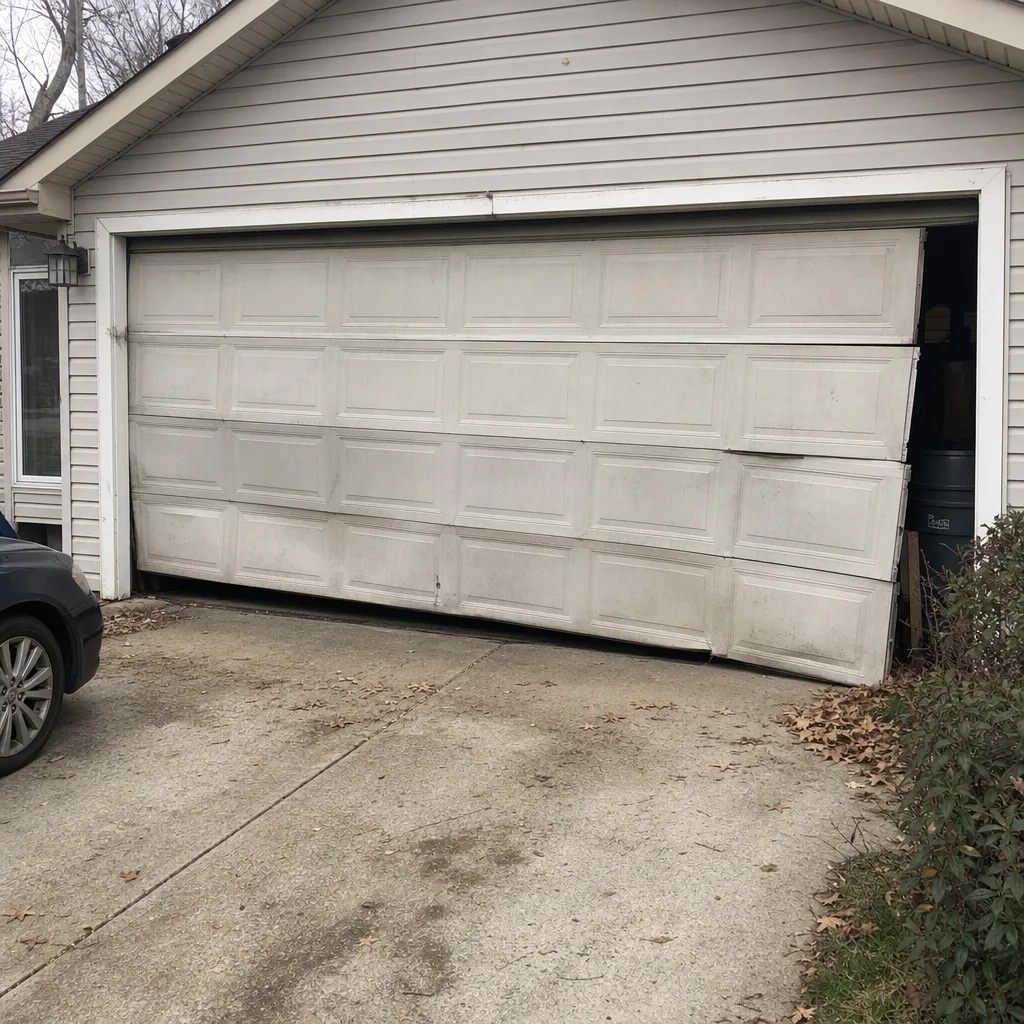 Before
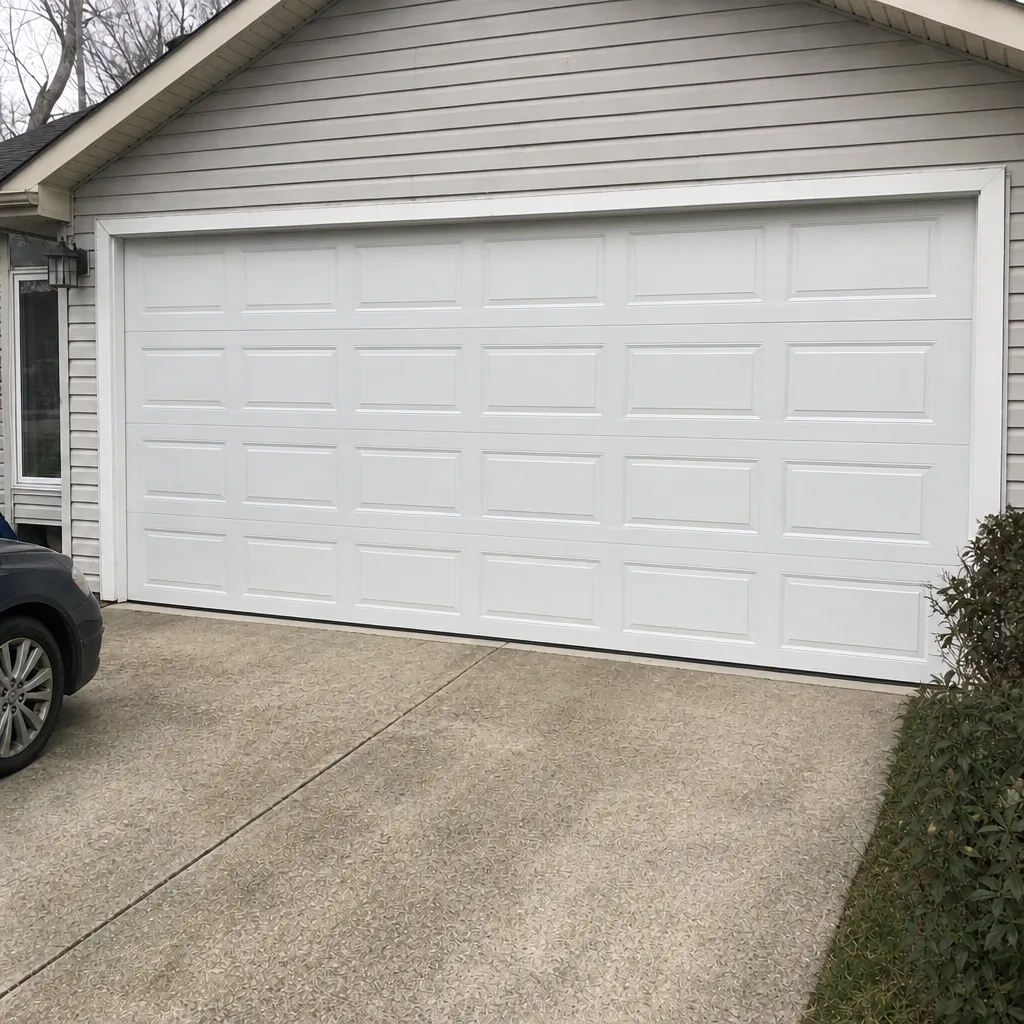 After
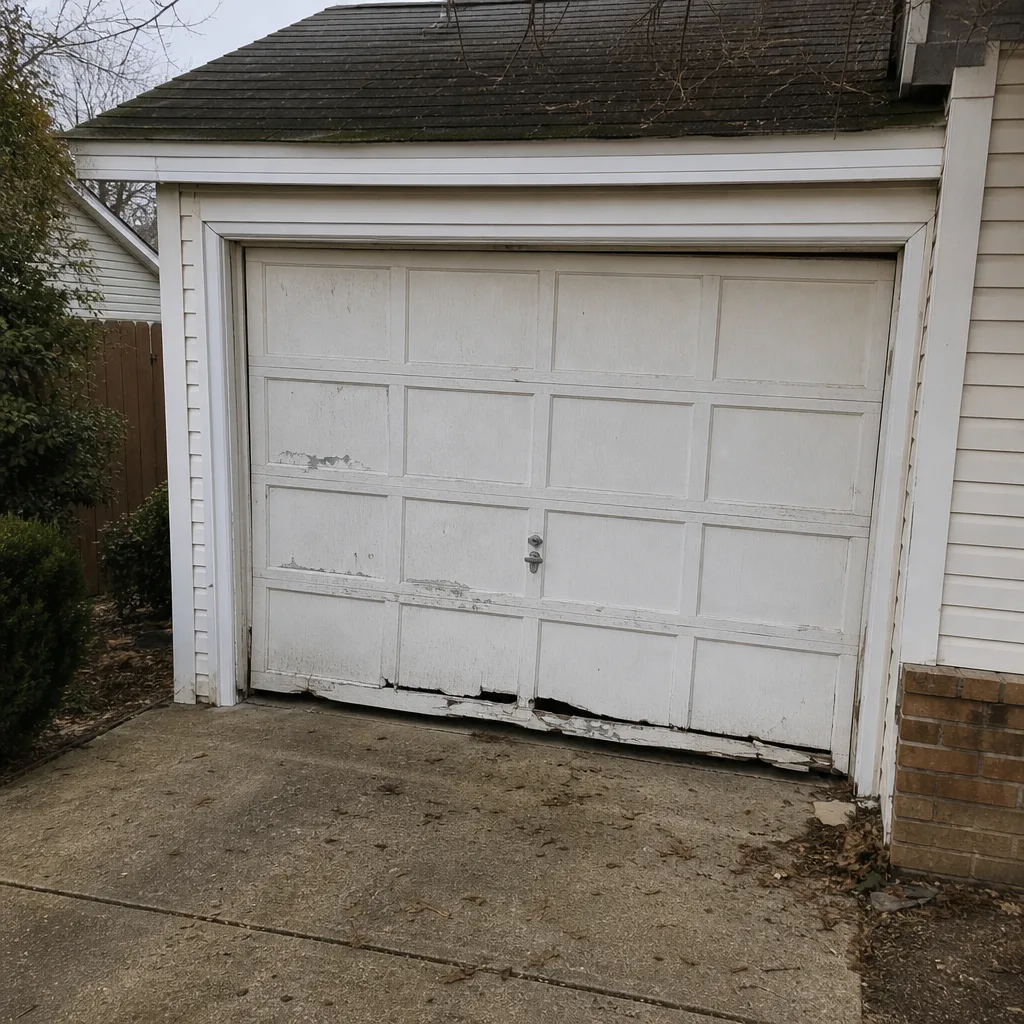 Before
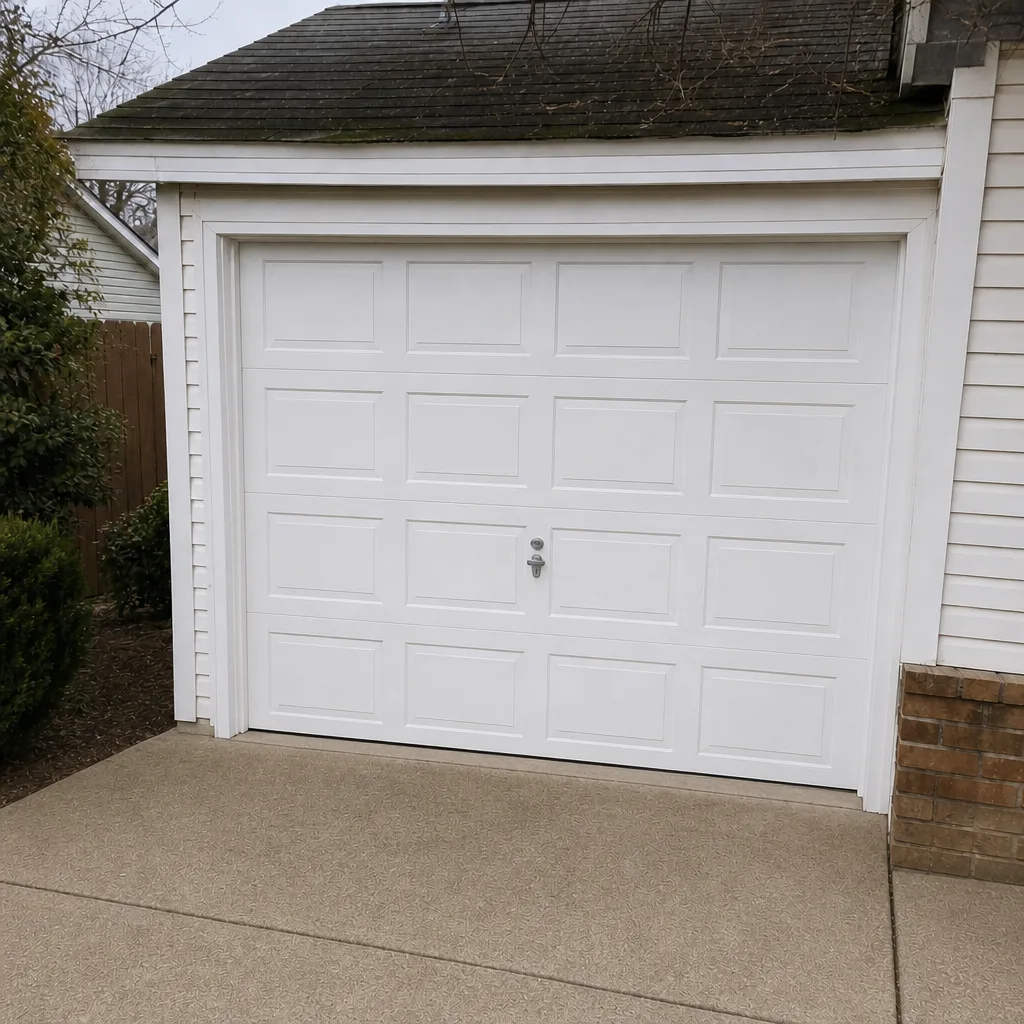 After
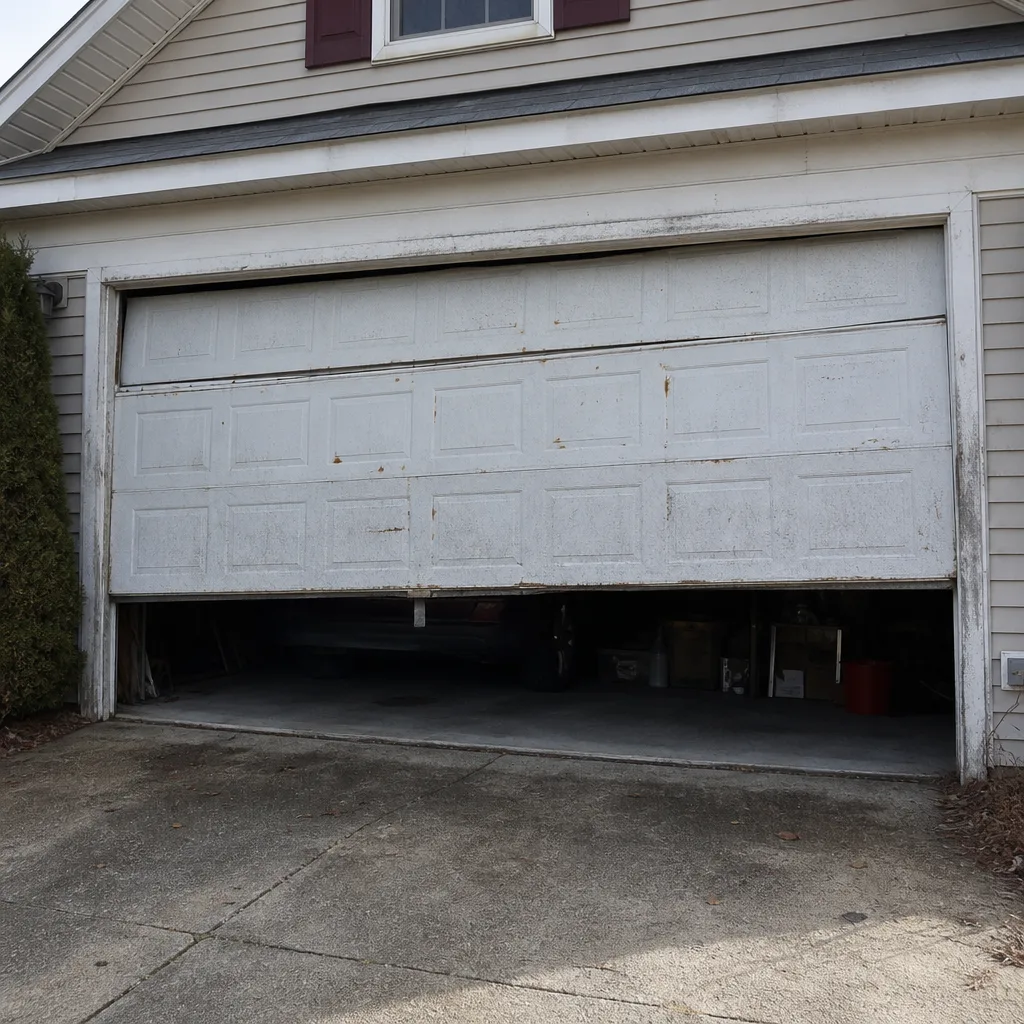 Before
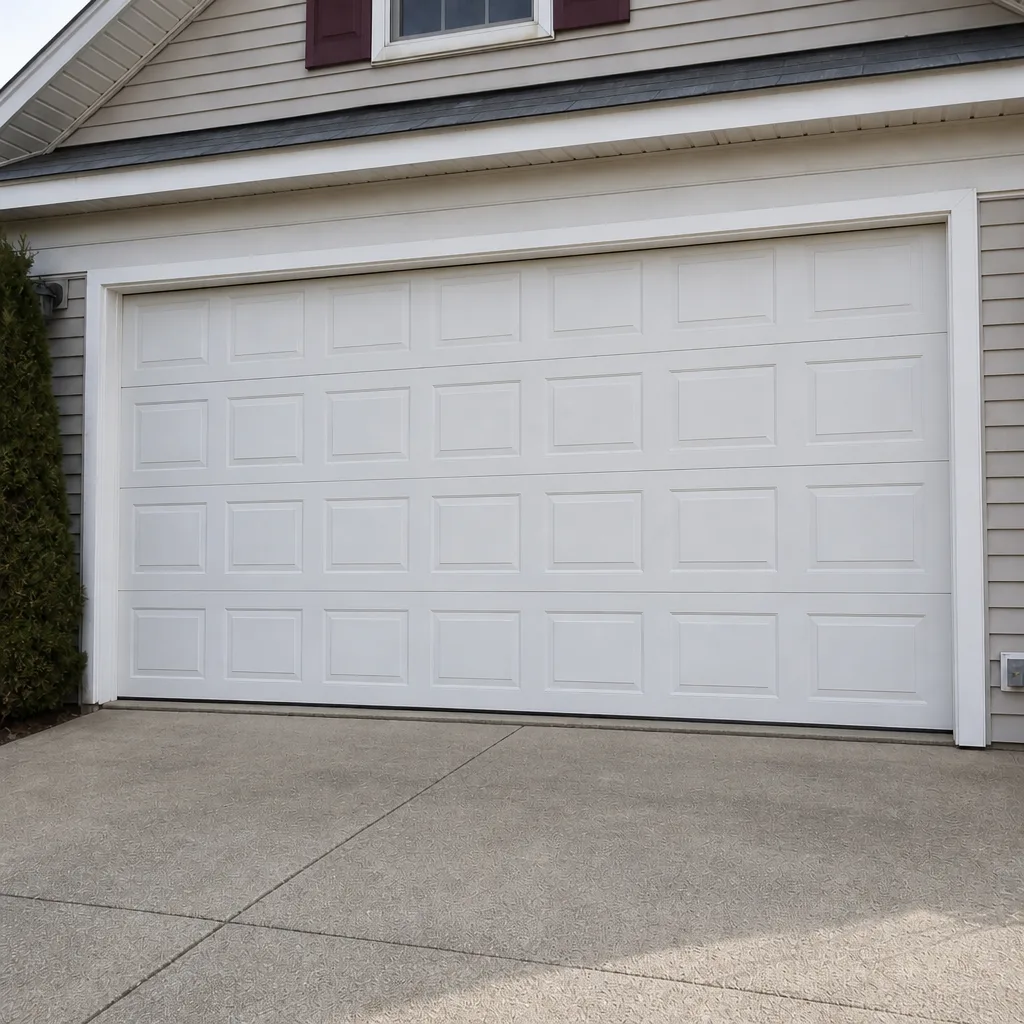 After