
Last updated November 23, 2026
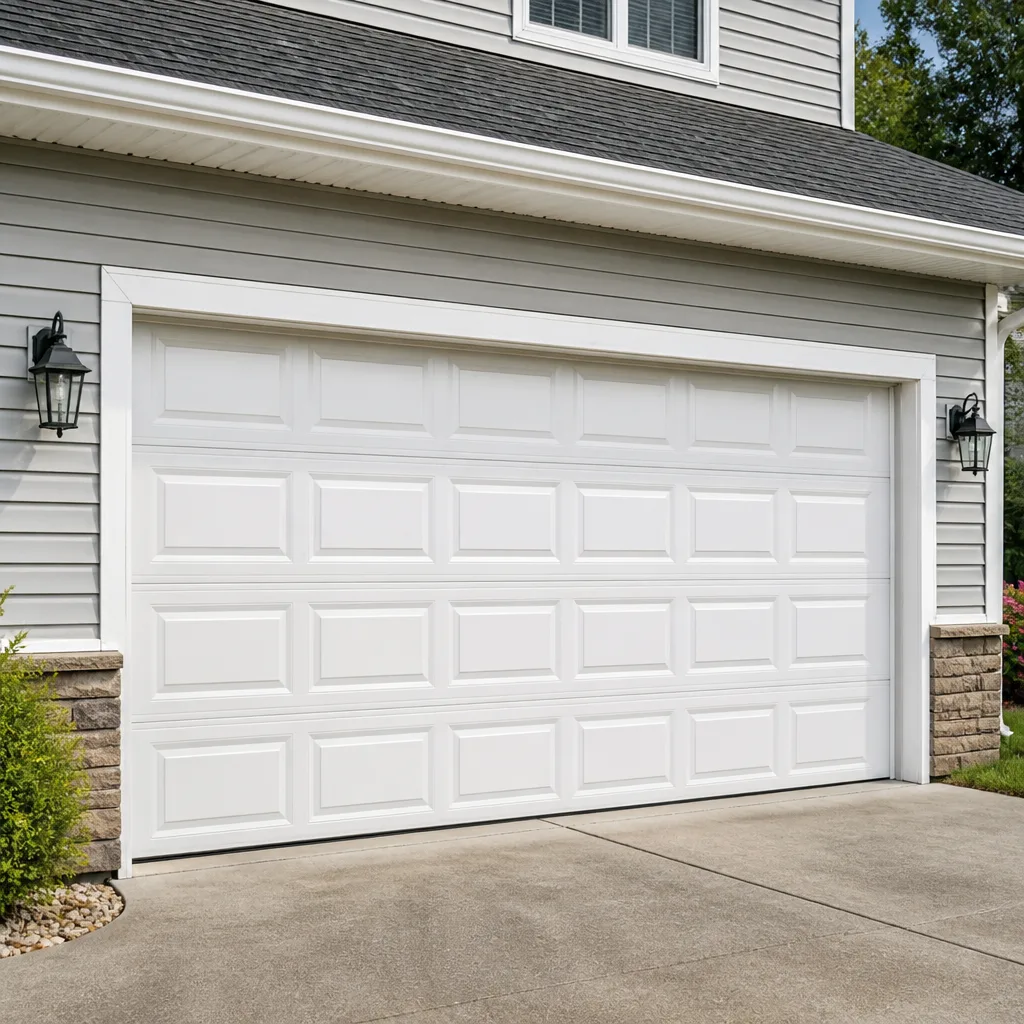 Raised-panel steel
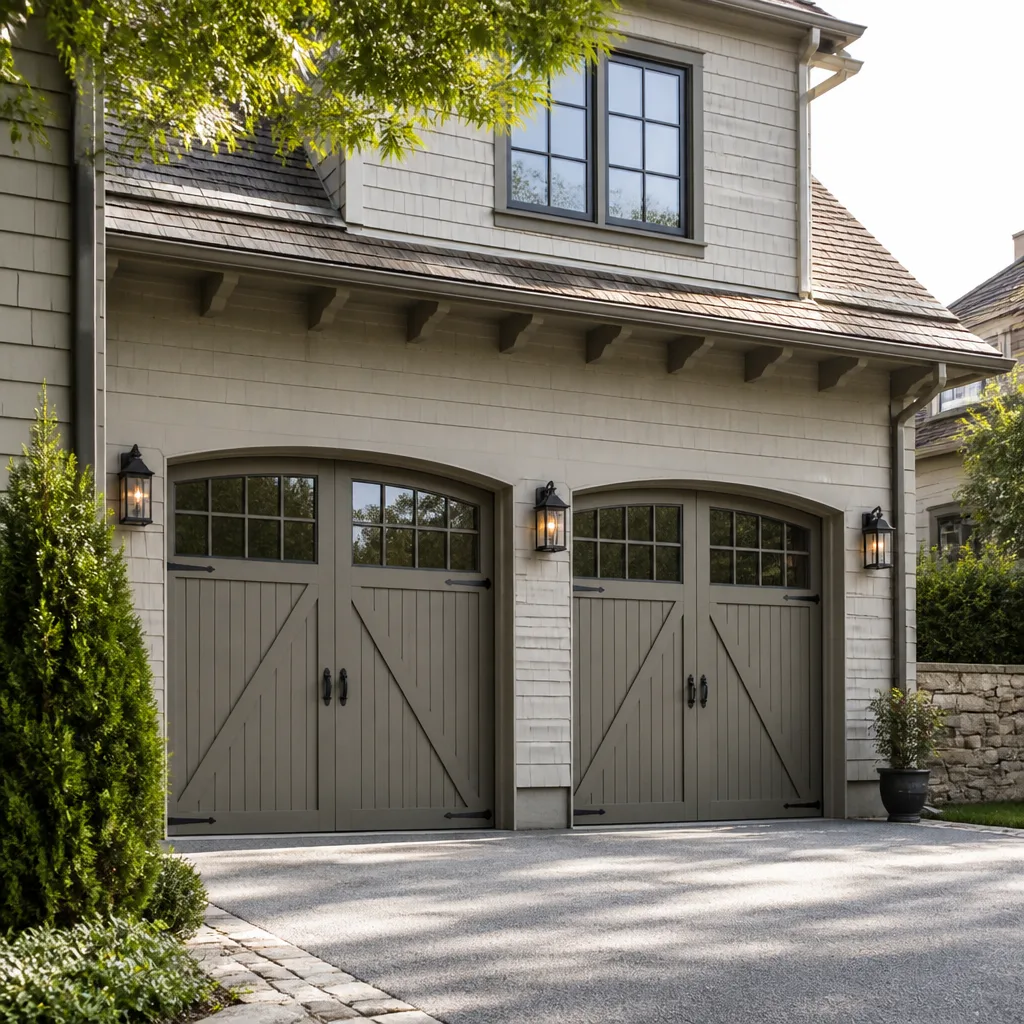 Carriage house
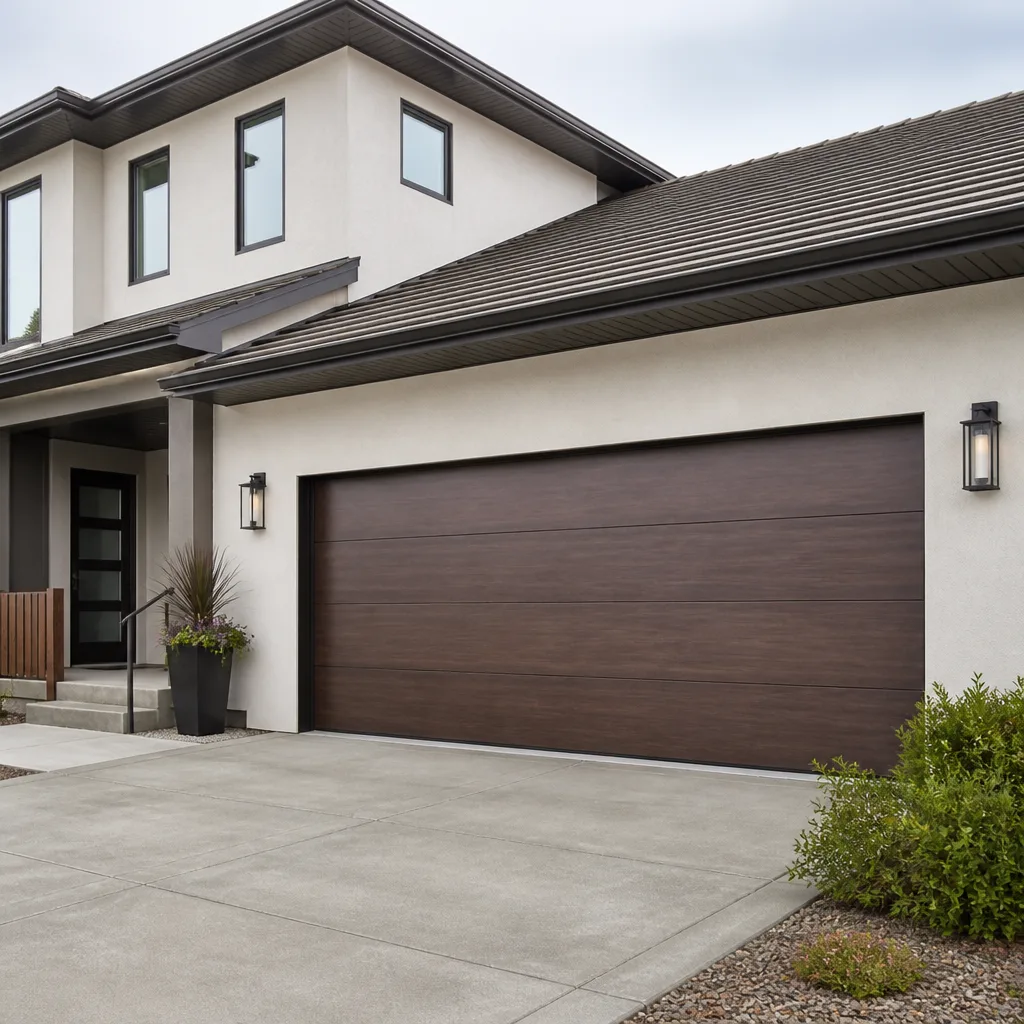 Modern flush
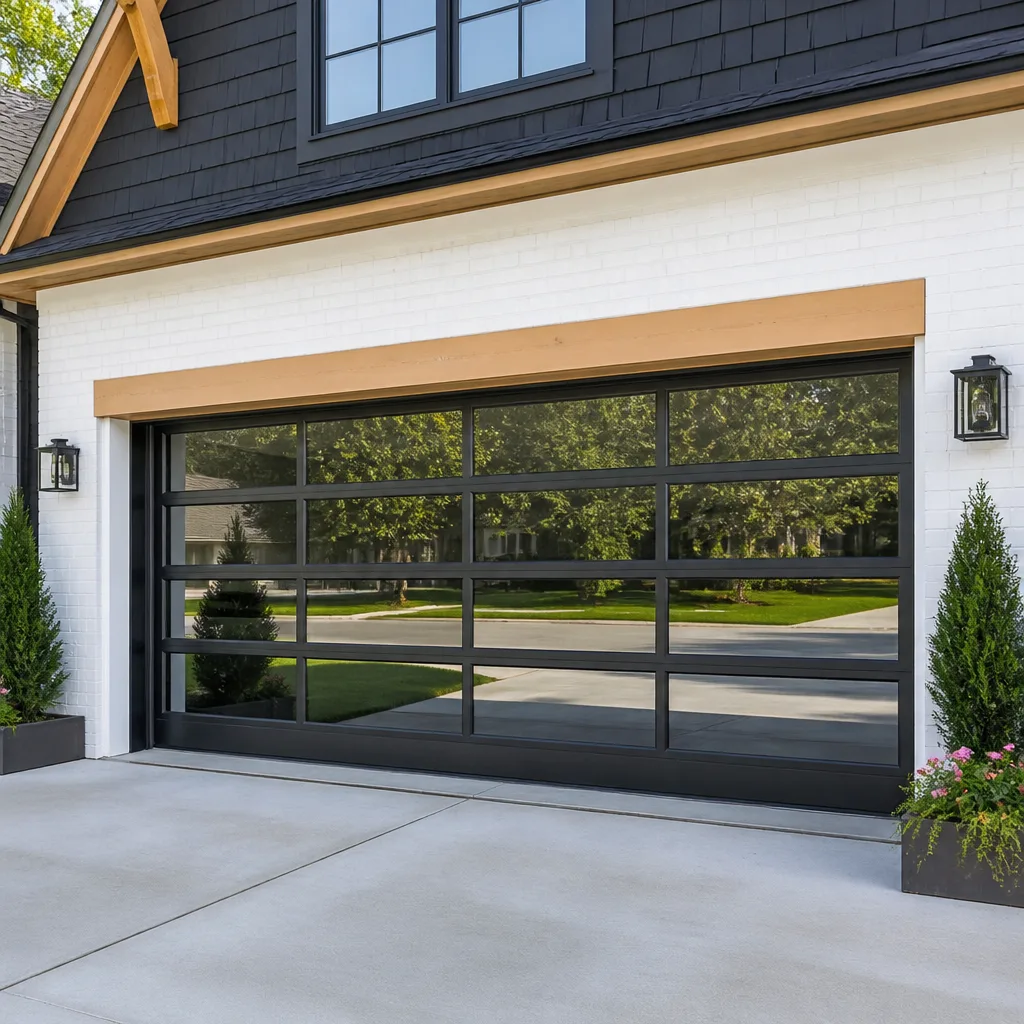 Full-view glass
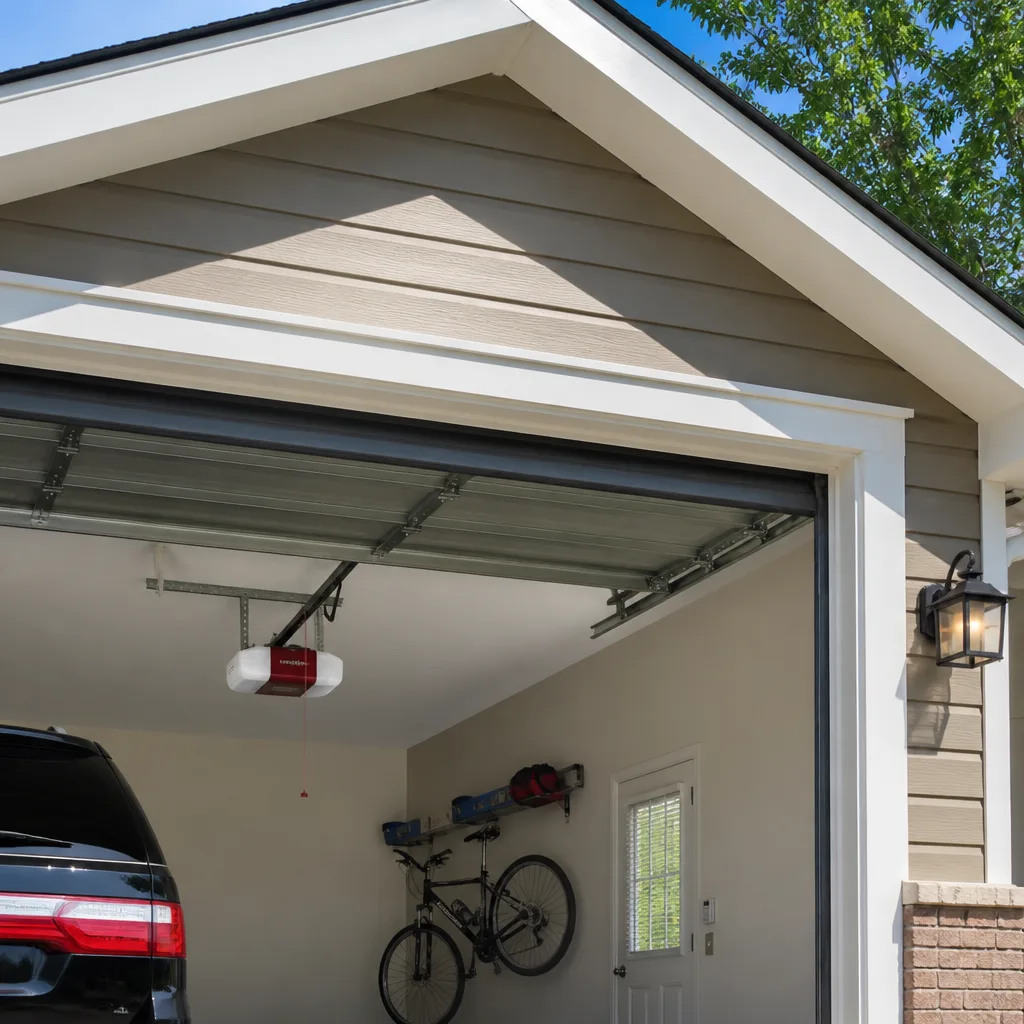 LiftMaster openers
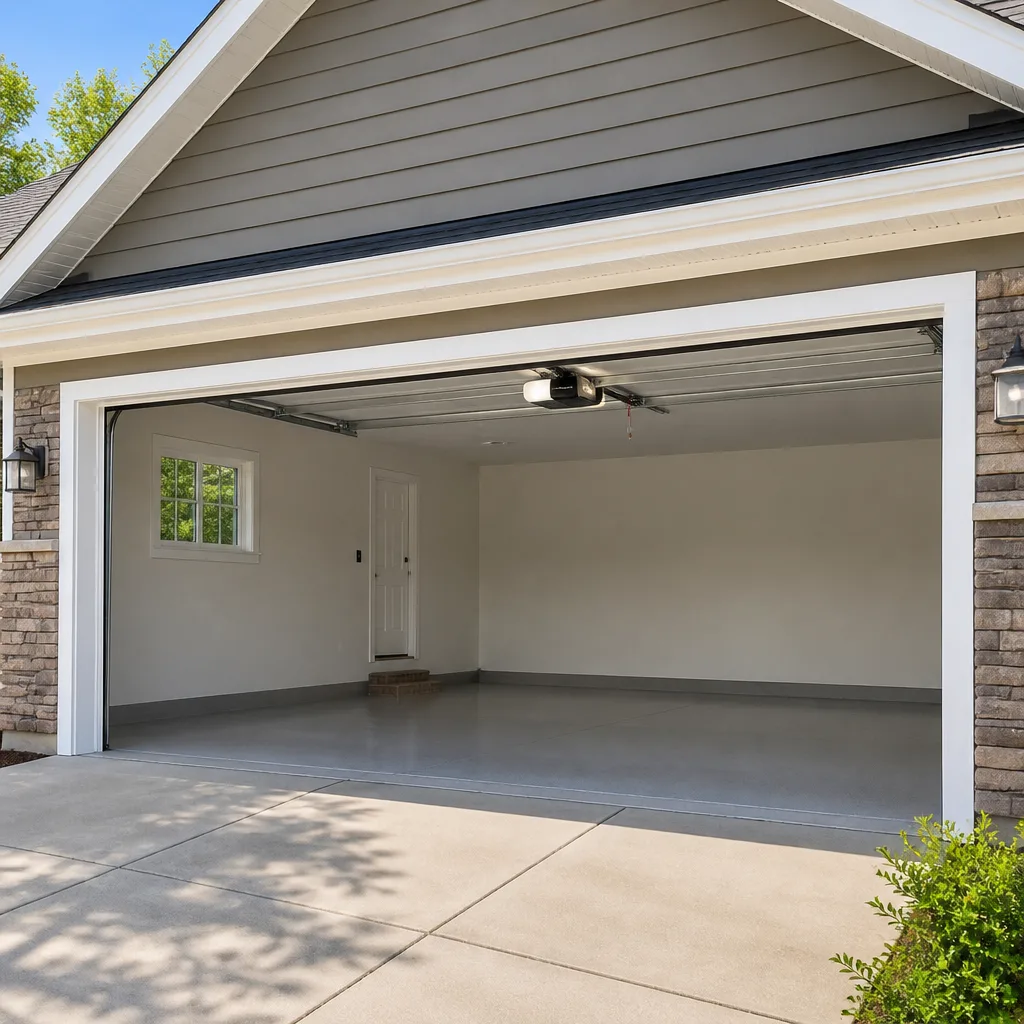 Chamberlain openers
Full 25-point door and opener safety check with every visit - springs, cables, rollers, tracks, and your LiftMaster or Chamberlain opener included
You get a price before we start. It does not change when the pro arrives.
Get your free estimateGarage Door Permits, Codes & Inspections in Manassas, VA: What You Need to Know
Most Manassas homeowners assume a garage door is exempt from permitting. It’s a door, after all. But replacing a door here means changing a load-bearing header, anchoring a spring system under tension, and wiring safety sensors, and Prince William County’s building code treats that work as construction. A full replacement done without the required permit can surface on a home inspection report and stall a real estate closing down the road. This guide walks through when a repair stays a repair, when replacement triggers a permit, how HOA approvals in communities like Gainesville, Bristow, and Sudley stack on top of county code, and what the inspection actually checks. If you’re planning a door project in Manassas, you’ll want to read the whole thing before you sign a contract.
Quick Answer
A straight repair (springs, cables, rollers, opener, track) generally does not require a building permit in Prince William County. A full garage door replacement usually does, because it involves structural attachment and header work covered by the Virginia Uniform Statewide Building Code. HOA approval is a separate step and often comes before the county permit. Ask the City of Manassas or Prince William County building department to confirm the requirement for your specific project before work starts.
Styles & brands we work with
- Raised-panel steel
- Carriage house
- Modern flush
- Full-view glass
- LiftMaster openers
- Chamberlain openers
Table of Contents
- When Does a Garage Door Project Need a Permit in Manassas?
- Repair vs. Replacement: Where the Line Falls
- HOA Overlay Rules in Manassas Communities
- What a Code-Compliant Installation Actually Requires
- Pulling the Permit Yourself vs. Having Your Contractor Do It
- The Inspection: What the Inspector Is Looking For
- Timeline: How Long the Whole Process Takes
- Permits and Your Home’s Resale Value
When Does a Garage Door Project Need a Permit in Manassas?
A garage door repair usually doesn’t require a permit. A garage door replacement usually does. That’s the short version, and it holds for most projects we see across Manassas. The longer version depends on what’s actually being altered.
Under Virginia’s Uniform Statewide Building Code, permits are required for structural work, alterations to a building’s structural elements, and the installation or replacement of certain building components. A garage door replacement can touch all three: the door hangs from a header that must carry its weight, the spring system transfers load into the framing, and the opener ties into household wiring. When your project involves replacing the opening’s framing, resizing the opening, or installing a door system in a wall where there wasn’t one, the county treats it as an alteration to the structure and requires a permit.
Here’s how it usually breaks out:
- Permit typically not required: spring replacement, cable replacement, roller and hinge swaps, track realignment, opener repair or replacement with the existing wiring, weather seal replacement, panel replacement on a like-for-like basis where no framing is touched.
- Permit typically required: full door system replacement where the header, jambs, or anchors change, opening resizing, conversion of a non-garage space into a garage, new construction of a garage opening, changes to the structural header.
- Call the county to confirm: replacing a door with a different size or weight class, switching from an extension spring to a torsion system with new anchoring, adding a second door where one existed.
Manassas is split between City of Manassas and unincorporated Prince William County, and the two jurisdictions have separate building departments. That means the answer can differ by a few streets. If your home is inside city limits, ask the City of Manassas building department. If you’re in a surrounding community like Bristow or Gainesville, ask Prince William County. Nobody on the internet, us included, can give you a definitive answer for your specific address without that call.
Repair vs. Replacement: Where the Line Falls
The single biggest source of permit confusion in Manassas is the line between repair and replacement. Homeowners often think they’re getting a repair because the door looks the same, and then the technician pulls the whole system out and reinstalls it. That’s a replacement, and it may trigger a permit.
We use a simple test: if the door and its mounting hardware go back in the same configuration they came out of, it’s a repair. If new framing, new anchoring, or a different door system goes in, it’s a replacement. That’s an honest way to think about it, but it’s not a legal ruling. The building department makes that call, not us and not your neighbor’s handyman.
Common scenarios and how they usually sort:
- Snapped torsion spring on a Clopay or Amarr door. Repair. No permit. Our garage door spring repair service handles this as a routine call.
- Opener stopped responding, LiftMaster or Chamberlain unit. Repair or like-for-like replacement of the opener head. Usually no permit if existing wiring is reused. Our garage door opener repair service covers the brand range.
- Door bent after a vehicle impact, panels and track replaced on the same framing. Usually repair. Still check with the county if the header was involved.
- Old wooden door upgraded to a modern insulated steel door in the same opening. Replacement. If the weight class changes and the header needs reinforcing, that’s structural work and typically requires a permit.
- Door replaced in a different, larger opening. Replacement plus structural alteration. Permit almost always required.
One more wrinkle: adding a torsion bar and spring anchor plate to a door that previously used extension springs is a structural change to how the door’s weight is carried. If you’re making that switch on an older Manassas home, ask the building department whether it counts as a repair or an alteration. In our experience it depends on the door and the framing condition.
HOA Overlay Rules in Manassas Communities
County code is only half the story. Many Manassas-area neighborhoods sit under a homeowners association, and the HOA can require approval before a new door goes in, often before the county permit is even in question. A door that meets county code can still violate a design covenant. Ignoring the HOA step is the most common reason a replacement turns into a months-long mess in communities like Gainesville, Bristow, and Sudley.
What HOAs typically review:
- Door style and panel configuration. Raised panel, carriage house, flush modern, and window rows are often restricted by neighborhood. A contemporary full-view door may not be approved in a traditional community.
- Color. Many associations have a palette. White and almond are common; a custom stain or a bold color may need board approval.
- Window inserts and glass type. Clear vs. obscure, single row vs. double, decorative vs. plain. Window count affects the look of the elevation and HOAs care about that.
- Materials. Wood-look steel and full wood doors may be treated differently. Some associations restrict visible wood because of maintenance concerns.
- Opener noise. In neighborhoods with attached garages and shared walls, a belt-drive Genie or Chamberlain opener is sometimes preferred over a chain unit to keep noise down for neighbors.
The practical order of operations in an HOA community is: get HOA design approval first, then apply for the county permit, then schedule installation. Doing it in the other order means you can pull a valid permit and still be barred from installing what the permit covers. If you’re not sure who your HOA’s architectural review contact is, your closing documents usually tell you. The point is to confirm early – changing course after a door is ordered is expensive and slow.
What a Code-Compliant Installation Actually Requires
A code-compliant garage door installation is not just a door hung in an opening. It’s a system of structural and safety elements that need to work together. When we come across a garage door repair scene that failed prematurely, the cause is usually something in this list that was skipped the first time.
The header. The header is the beam that spans the top of the garage opening and carries the load of the wall and roof above it. It has to be sized for the span and for the weight of the door system hanging from it. A modern insulated steel door from a manufacturer like Clopay can weigh meaningfully more than the original wooden door that came out, and the header plus the anchoring pattern has to account for that. An inspector will be looking at the header, the fasteners used, and whether the installation follows the manufacturer’s written instructions for the door’s weight class.
The anchoring. The vertical tracks must be anchored into framing, not just into siding or drywall. Spring anchor plates at the torsion bar carry the full door load under tension and must be lagged into solid structural members. A call we make in Manassas more often than you’d expect is discovering a previous installation that used short fasteners into sheathing alone. That’s a red flag for both safety and inspection.
The opener safety sensors. Per the IRC, an automatic garage door opener must have a photo-eye safety system mounted at the bottom of the door opening, no more than a few inches above the floor, aimed across the opening. The sensors must be wired to the opener so that a broken beam reverses the door. They must be positioned so a small child or pet in the opening interrupts the beam before the door contacts them. Inspectors check that the sensors are present, correctly aimed, secured so they can’t be easily knocked out of alignment, and actually interrupt the door.
The manual release. Every automatic opener must have a manual disconnect accessible from inside the garage. If you can’t reach the release handle with both feet on the floor, that’s a fail.
The reversing test. An inspector will typically trigger the door’s safeties in both directions – the photo-eye and the contact reversal – and confirm the door reverses. If either fails, you’re getting a correction notice.
The spring system safety. Torsion springs and extension springs are under extreme tension. Extension springs on older doors require a containment cable through the center. If your new door uses extension springs and the cables are missing, that’s a code violation and a real injury risk. This is the part of the installation we handle with the most caution: spring systems are what our technicians are trained on, and they’re also why we discourage homeowners from adjusting them. A spring under load can cause serious injury in an instant. A trained technician should always be the one working on it.
Pulling the Permit Yourself vs. Having Your Contractor Do It
You can absolutely pull the permit yourself. Many Manassas homeowners do. The catch is what happens when something goes wrong during inspection. If you pull the permit, you are the applicant of record. You own every correction the inspector writes and every reinspection fee if the work needs to be redone. If your contractor pulled the permit, they’re the responsible party and the corrections land on them.
Here’s the practical breakdown:
- You pull the permit as an owner-builder. Appropriate if you’re doing the work yourself or acting as your own general contractor. You’re responsible for scheduling the inspections, responding to correction notices, and closing the permit out. No contractor liability if something fails.
- Your contractor pulls the permit. The contractor is the applicant, schedules the inspection, and manages corrections. This is what we do when we handle a Manassas Garage Door Repair Pros installation project. The written estimate you receive spells out whether the permit fee is included, and if it’s a pass-through cost we tell you that up front.
- Split responsibility. Rare but possible, typically when an owner hires a general contractor for the framing and a door specialist for the installation. In that setup, confirm in writing who is pulling the permit and who owns the inspection. Don’t leave it ambiguous.
Whichever route you take, understand that a permit is a record. It does not expire in a way that protects you if the work was never inspected. An open permit shows up on a title search, and that is exactly the kind of thing a Manassas title company will flag before closing. If you bought a house with an open garage door permit, that’s a real problem to resolve before sale.
The Inspection: What the Inspector Is Looking For
The inspection for a garage door replacement in Prince William County is usually a single framing and rough-in inspection, plus a final. Sometimes they’re combined into one visit depending on the scope. What the inspector is actually checking is narrower than homeowners expect: they’re not evaluating how nice the door looks or whether the opener is the model you wanted. They’re checking structure and safety.
What an inspector typically examines:
- Header size and condition. Is the header sound, sized for the load, and properly supported by king studs and jack studs? Any signs of rot, splitting, or undersizing get flagged.
- Fastening pattern. Are the tracks, brackets, and spring anchor plate attached into structural members with appropriate fasteners?
- Door operation. Does the door raise and lower smoothly? Does it balance (stay in place when the opener is disconnected and it’s moved halfway up)?
- Photo-eye sensors. Present, mounted low, aimed across the opening, wired in, and functioning. The inspector usually walks through the beam to confirm the door reverses.
- Contact reversal. A board or block set on the floor – the door contacts it and reverses. If it doesn’t reverse, that’s a correction notice.
- Manual release. Reachable from inside the garage with both feet on the floor.
- Spring containment. Extension springs have safety cables through the center. Torsion spring anchor plate is lagged properly.
Where we see projects fail inspection in Manassas: sensors mounted too high off the floor, sensors aimed at a slight angle so the beam doesn’t actually cross the opening, manual release handles cut short during installation, and track brackets anchored with drywall screws instead of structural fasteners. All of those are easy to avoid if you know the list going in. If an inspection comes back with corrections, they’re typically rechecked after the fix – call the county to schedule the reinspection once work is complete.
Timeline: How Long the Whole Process Takes
From decision to closed permit, a garage door replacement in Manassas typically takes anywhere from several weeks to a couple of months depending on HOA review and inspection scheduling. The door installation itself is often a single day. The paperwork around it is the slow part, and factoring for that from the start saves surprises.
- Design and HOA approval (if applicable): Highly variable. Small associations can turn around a review quickly; larger ones with scheduled board meetings can take weeks. Start here.
- Permit application: Submit the application, drawings, and manufacturer’s specs to the City of Manassas or Prince William County. Turnaround varies with their workload; ask when you apply.
- Door ordering: Most doors arrive within a couple of weeks, but custom sizes, colors, or window configurations can take longer. Nothing gets installed until the door is on site.
- Installation: A standard replacement is usually a single day. Complex projects with header work or opening changes can run longer.
- Inspection scheduling: Call the county once the work is ready for inspection. The inspector visits, reviews the structural and safety items listed above, and either passes the work or issues corrections.
- Reinspection (if needed): Common for a minor fix like sensor alignment. Once corrected, the county re-inspects and closes the permit.
Where homeowners lose time: waiting on the HOA after the door is ordered, filing the permit without the manufacturer’s installation instructions (which are usually required), and scheduling installation before confirming the inspection window. If you’re in a hurry, line up the HOA and permit steps in parallel where the county allows it – some jurisdictions will accept an application while HOA review is still open, and it’s worth asking.
Permits and Your Home’s Resale Value
An unpermitted garage door replacement doesn’t usually stop a sale on its own, but it can slow one down significantly. Home inspectors flag it, buyers negotiate over it, and title companies ask questions. In a competitive Manassas market, that delay has a real cost even if nothing is technically wrong with the door.
What shows up on the record:
- Open permits. A permit was pulled, work was done, but no inspection was recorded. This is the worst case because it needs to be resolved. Depending on how long it’s been open, the county may require a fresh inspection or a code compliance write-up.
- No permit on file for structural work. If you replaced a door with header changes and there’s no permit on record, the burden falls on you or the next owner to explain or retroactively permit the work. That’s not free and it’s not fast.
- Closed, inspected permit. The cleanest state. Buyer’s inspector notes the door, sees the permit was pulled and inspected, and moves on.
If you’re buying a Manassas home and the garage door looks new, it’s worth asking the seller whether a permit was pulled and whether they can show the closed record. Same if you’re preparing to sell – pull the record on your own door now, not the week before closing. If there’s no permit and one was required, that’s the time to talk to a specialist about what the county will need to close it out.
Common Mistakes to Avoid
- Assuming all garage door work is permit-exempt. Repairs usually are; full replacements often aren’t. The distinction matters when structural attachment changes, and assuming the easy answer is the most expensive mistake we see.
- Skipping the HOA step in Gainesville or Bristow. Board approval for the door style, color, and window configuration is often required before installation, regardless of what the county says. Pull the county permit without HOA approval and you can still be blocked from installing the door.
- Ordering a door before the permit is in hand. Doors are often non-returnable on custom configurations. Confirm the permit requirement with the City of Manassas or Prince William County before you order, especially if the opening or header is changing.
- Mounting photo-eye sensors too high. The beam must cross the bottom of the opening where a small child or pet would be. Sensors mounted above the bumper level pass a casual glance and fail an inspection.
- Using drywall screws for track brackets. Track brackets must go into framing with structural fasteners. Drywall screws pull out under load – and they fail inspection on sight.
- Pulling the permit yourself and then hiring a contractor mid-project. Once the contractor has to inherit an open permit they didn’t apply for, the liability sits uncomfortably. Decide who owns the permit before the work starts and put it in writing.
- Leaving an open permit after a sale closing. If the door was replaced before you bought the home and there’s an open permit on record, that’s a title issue you’ll find out about at the worst possible moment. Ask the title company to check.
See the difference
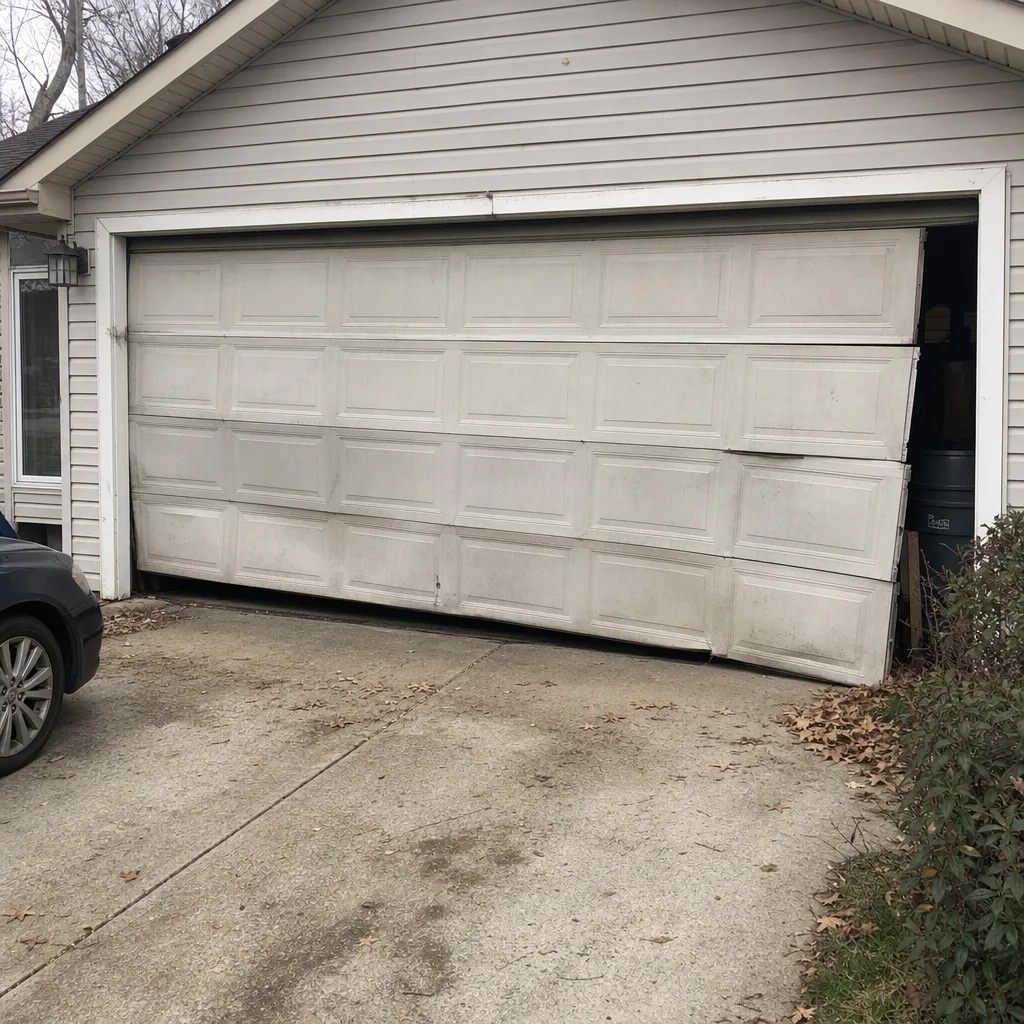 Before
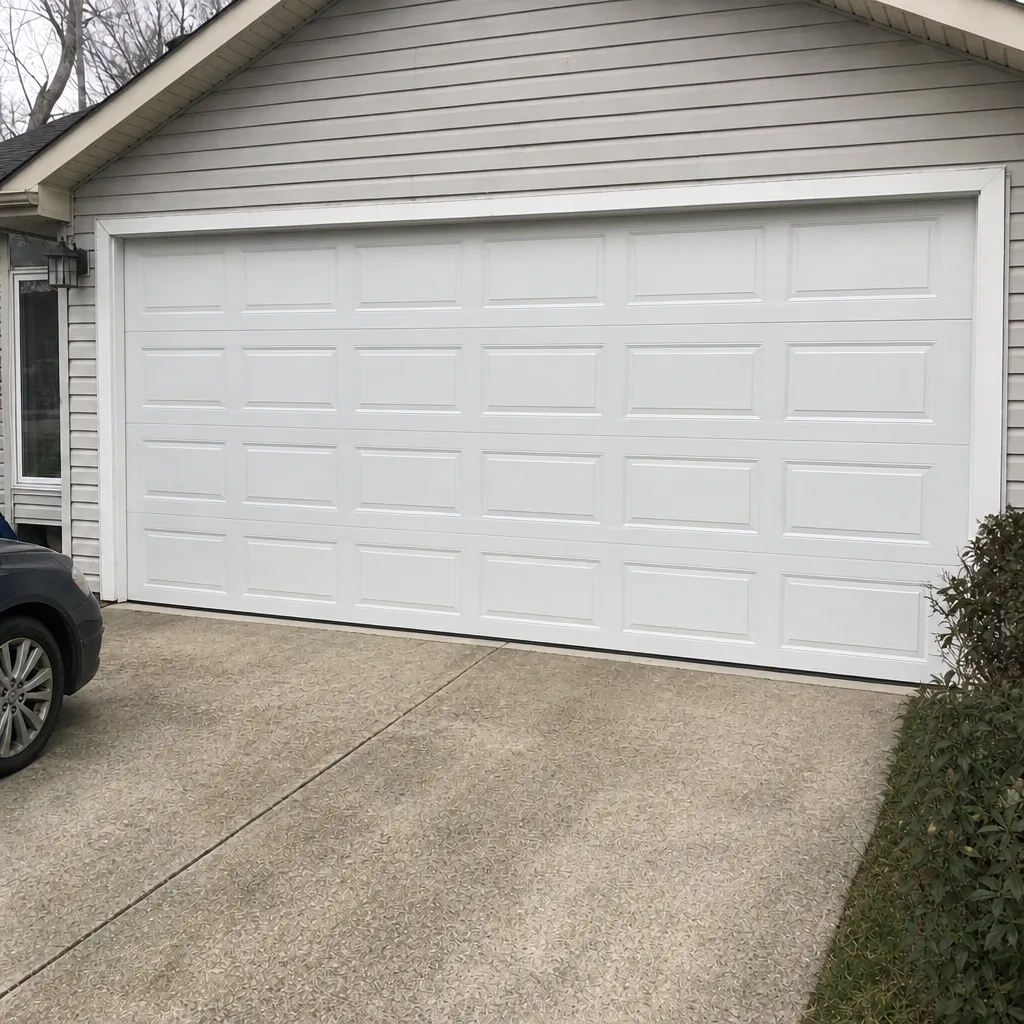 After
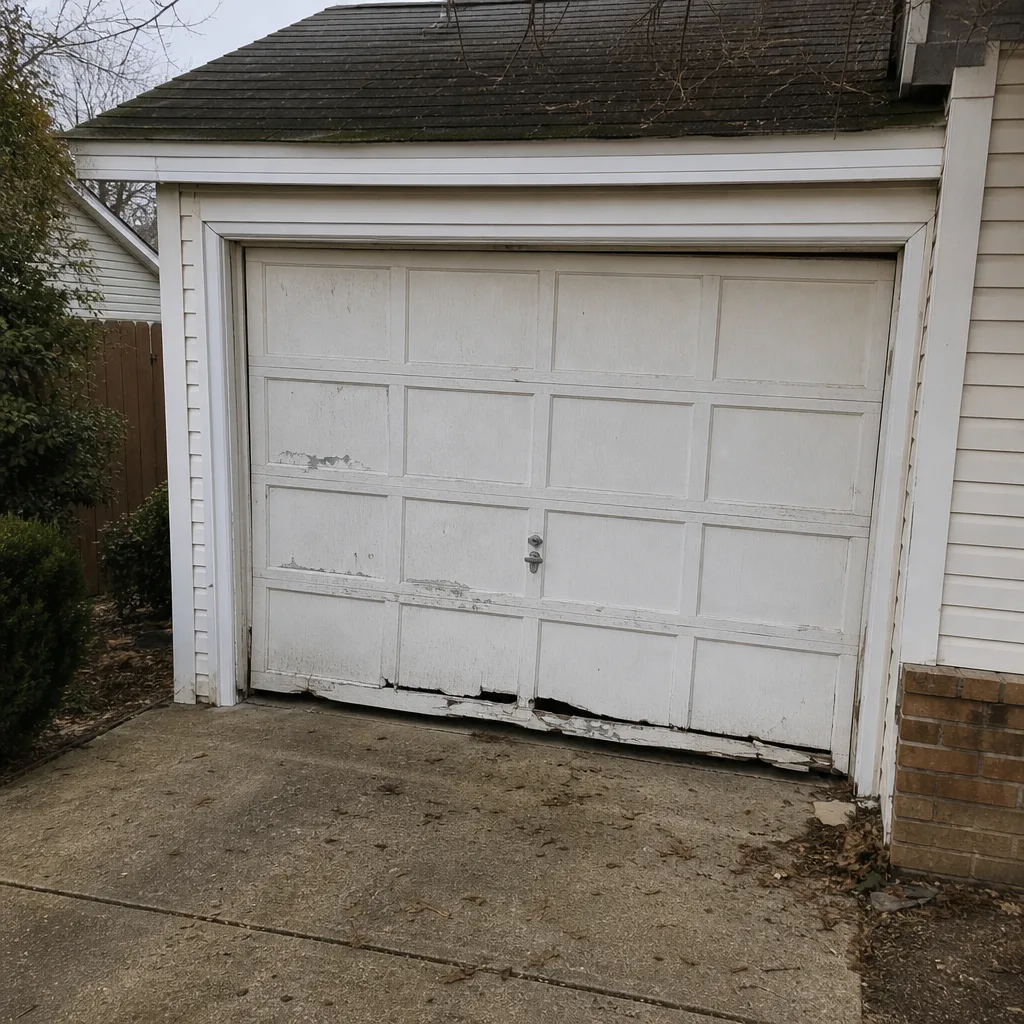 Before
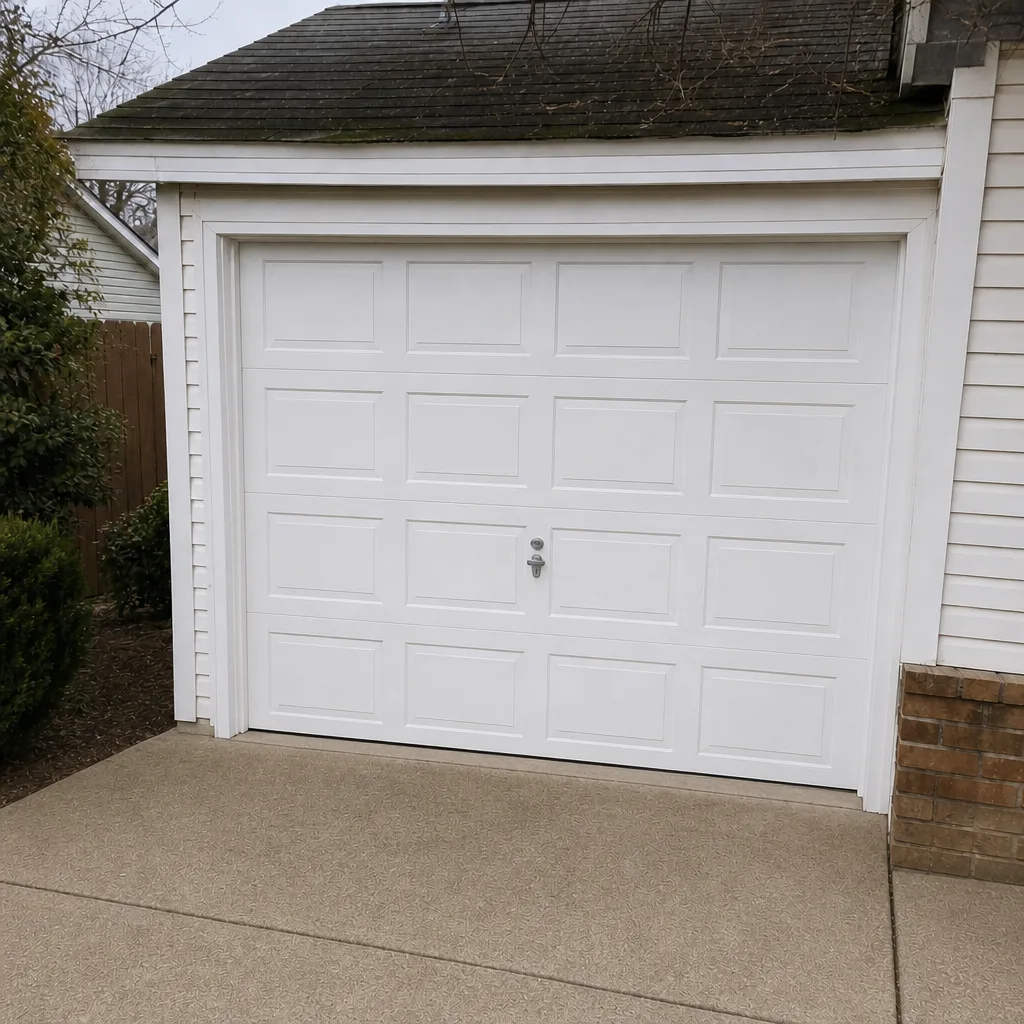 After
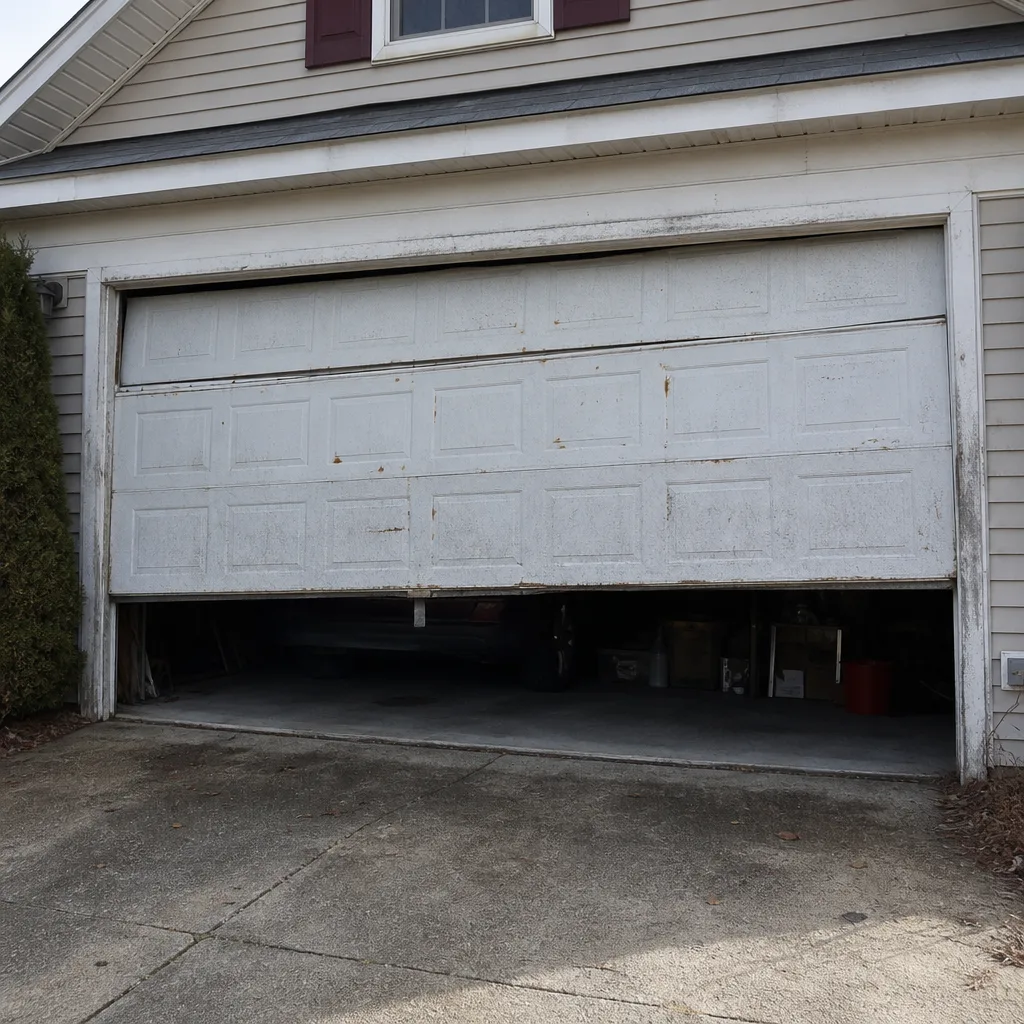 Before
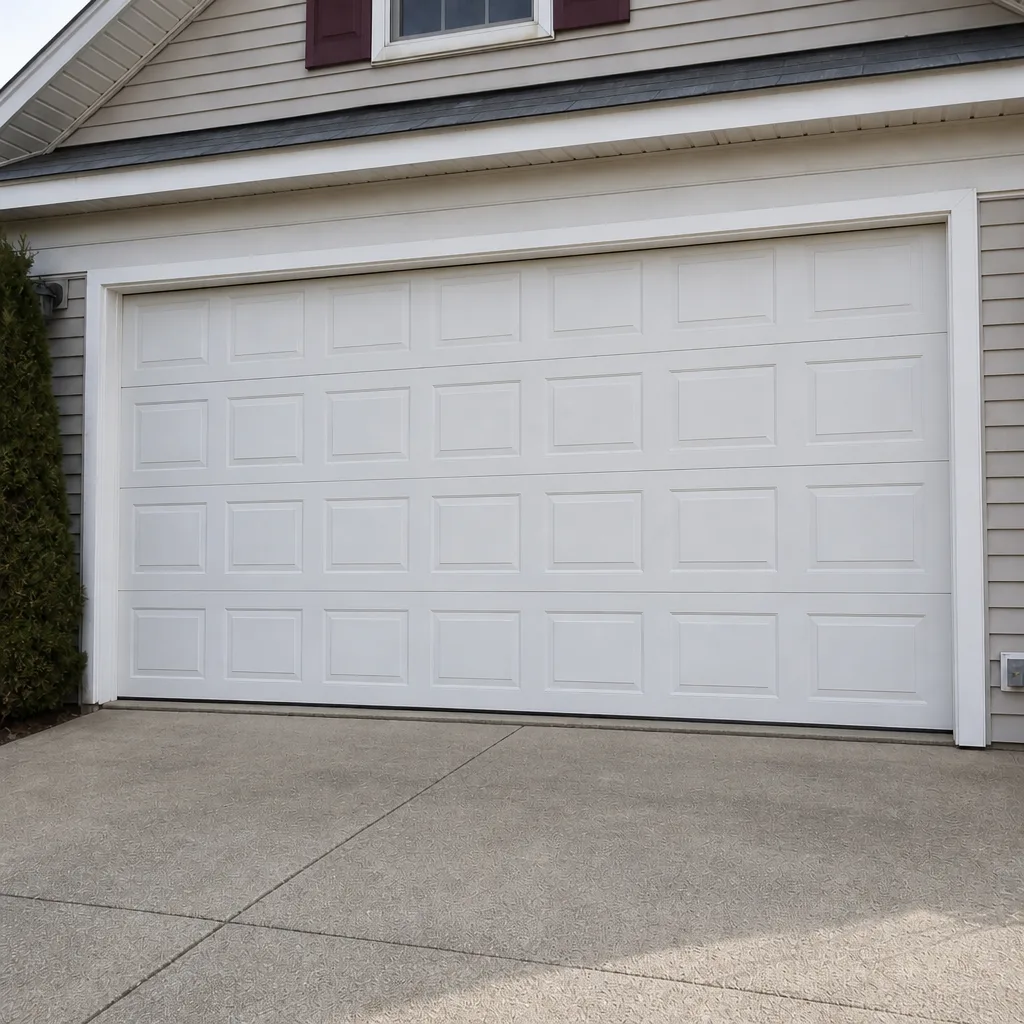 After
When to Call a Professional
Some garage door work is a straightforward service call. A snapped spring on a Genie-equipped door, an opener that’s lost a remote, a door that jumped its track after a bump – those are jobs for a trained technician, and they’re the kind of work our garage door repair service handles routinely. But there are situations where you really want a professional involved from the start: any project that changes the door’s weight class, any replacement where the header needs reinforcing, any door that involves new spring anchoring, and any scenario where the permit situation is unclear. If the answers in this guide left you unsure which category you’re in, that’s a sign to get someone on the phone. Manassas Garage Door Repair Pros offers free estimates in Manassas – call (855) 658-4207. We answer 24/7. Fast dispatch from 7am to 7pm, Sunday through Friday. We’ll walk through what your project involves, tell you where we think the permit line falls, and give you a written estimate before any work starts.
Frequently Asked Questions
In most cases, yes. A full garage door replacement in Prince William County or the City of Manassas usually requires a building permit because the work involves structural attachment or header changes. A repair on the existing door system usually does not. Confirm the specific requirement with the City of Manassas or Prince William County building department before work starts. Call (855) 658-4207 for a free estimate – estimates are free.
Yes, an owner can typically apply for the permit as the owner-builder. The trade-off is that you own every correction notice and every reinspection. Many homeowners hand the permit to the contractor so the contractor is the responsible party on record. Either route works; just decide upfront and put it in writing. Call (855) 658-4207 if you want to talk through which route fits your project – estimates are free.
Permit fees are set by the jurisdiction and vary with the scope of work. We don’t post a number here because it’s the county’s number, not ours, and it changes with the project. The most reliable way to get the exact figure is to call the building department with your scope and ask. Our written estimate will tell you whether a permit fee is included or passed through. Call (855) 658-4207 to get a project estimate – estimates are free.
Frequently, yes. Many associations in communities like Gainesville, Bristow, and Sudley require design approval for door style, color, window configuration, and material before installation. HOA approval is separate from the county permit and generally needs to come first so you don’t order a door the association won’t allow. Check your closing documents for the architectural review contact. Call (855) 658-4207 if you want to talk through the door styles we see approved most often.
If the work needed a permit and one wasn’t pulled, an open or missing permit can surface during a home inspection or title search and delay a closing. The fix is to contact the county about retroactive permitting or an inspection of the existing work. In our experience, resolving it before listing a home is far easier than dealing with it under contract. Call (855) 658-4207 for a free estimate on getting the door up to code – estimates are free.
Yes, if you’re facing a stuck or failed door, we can usually get someone out the same day. Spring and opener failures are safety issues, and we don’t treat them as next-week problems. We answer 24/7. Fast dispatch from 7am to 7pm, Sunday through Friday. A call outside dispatch hours is booked into the next opening. Call (855) 658-4207 for a free estimate – estimates are free.
The Bottom Line
The rule of thumb for Manassas homeowners: repair stays a repair, replacement generally needs a permit. If the header, anchoring, or spring attachment is changing, assume a permit is required until the building department tells you otherwise. HOA approval is a separate gate that many buyers and sellers overlook, especially in Gainesville, Bristow, and Sudley, and it usually comes first. The inspector is checking structural attachment and safety functions – header, fasteners, sensors, manual release, and spring containment – not whether the door looks nice. Pulling the permit yourself is allowed; handing it to the contractor moves correction liability off your plate. Either way, close the permit before you sell the home. A five-minute call to the county now is far cheaper than a stalled closing later. If you’re setting up a garage door installation in Manassas and want a written estimate on the full picture, call Manassas Garage Door Repair Pros at (855) 658-4207. We answer 24/7. Fast dispatch from 7am to 7pm, Sunday through Friday. Estimates are free, and the price is quoted and agreed before any work starts.
Written by the team at Manassas Garage Door Repair Pros.