
Last updated November 23, 2026
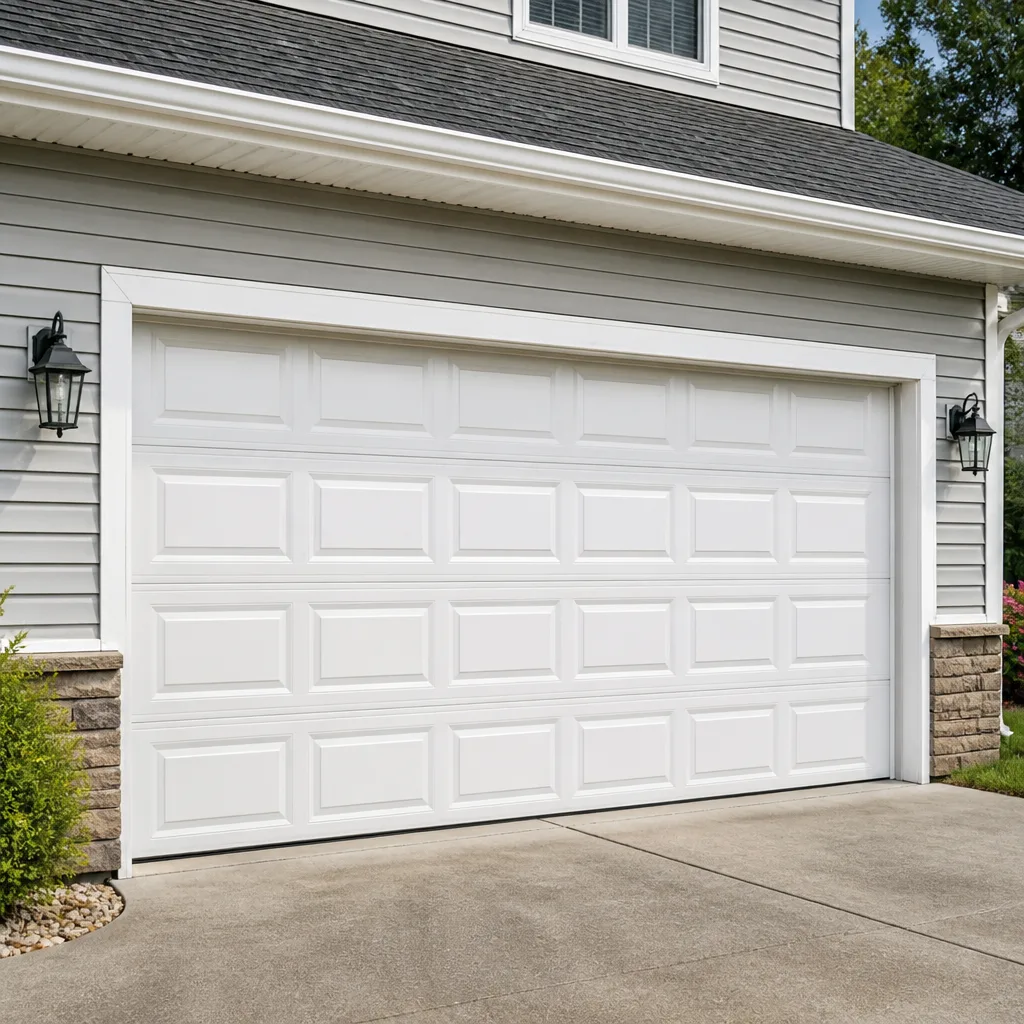 Raised-panel steel
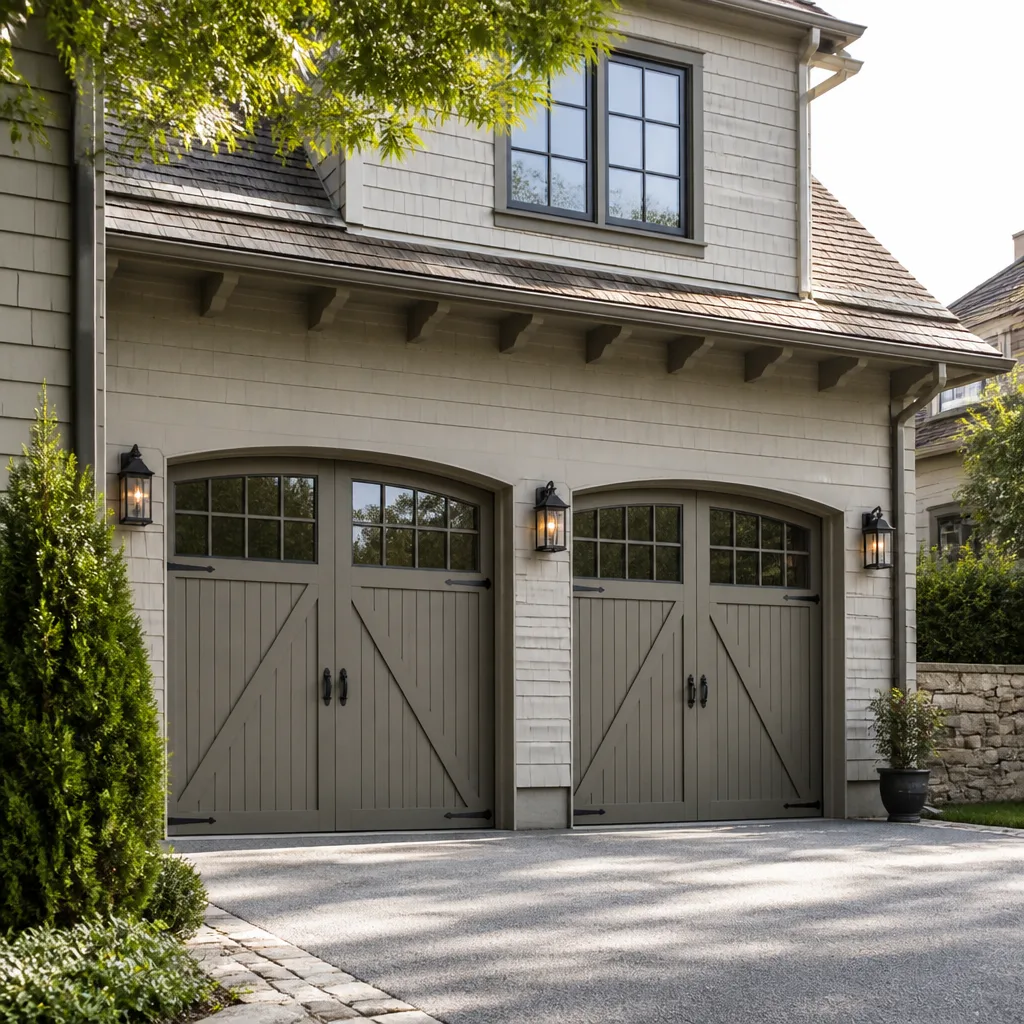 Carriage house
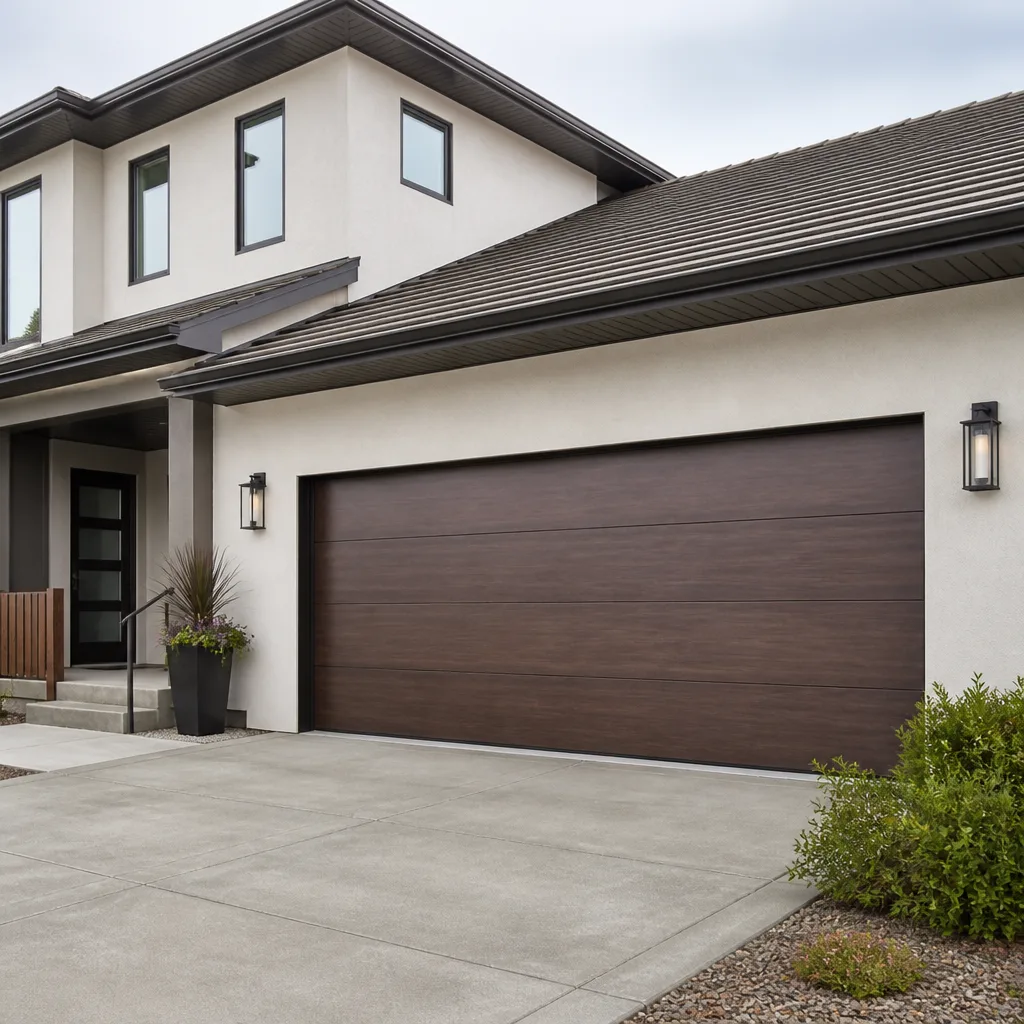 Modern flush
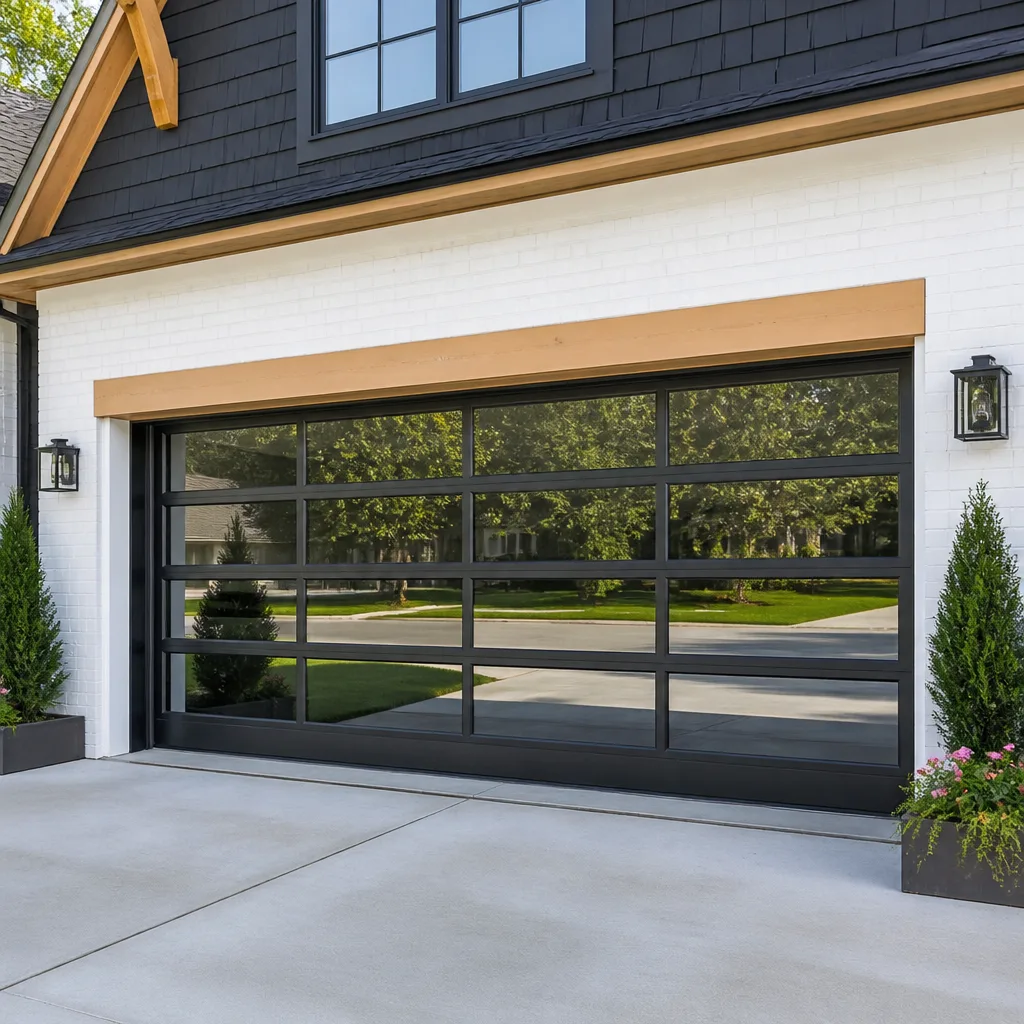 Full-view glass
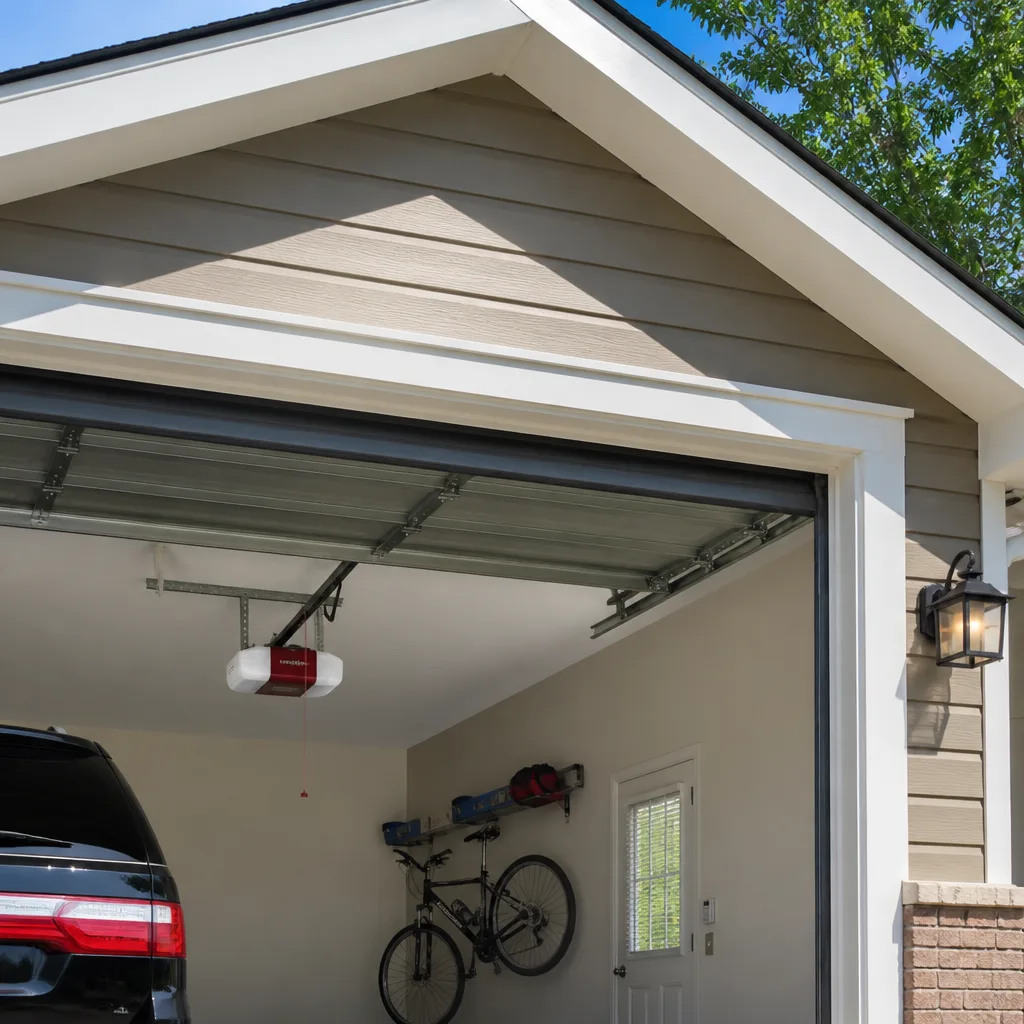 LiftMaster openers
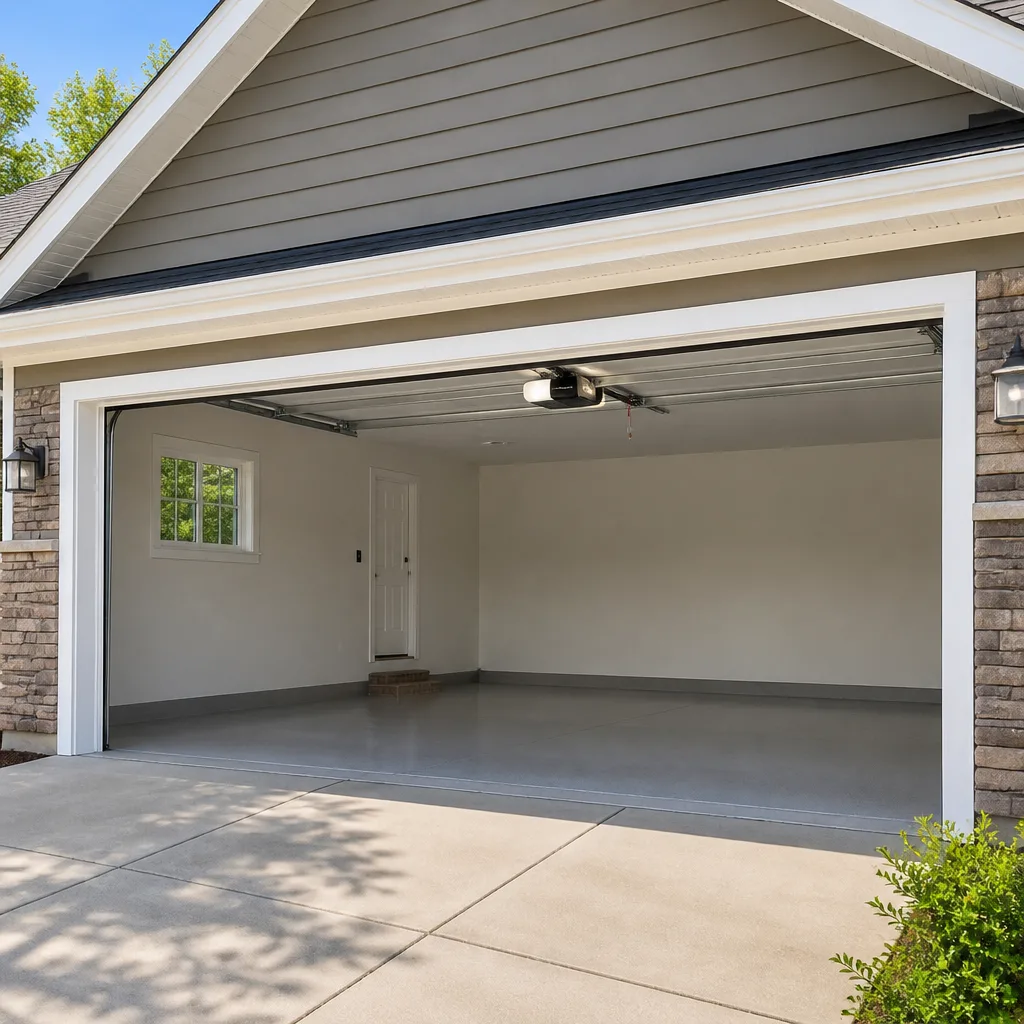 Chamberlain openers
Full 25-point door and opener safety check with every visit - springs, cables, rollers, tracks, and your LiftMaster or Chamberlain opener included
You get a price before we start. It does not change when the pro arrives.
Get your free estimateGarage Door Repair Maintenance Checklist for Manassas Homeowners
Most garage door maintenance advice you’ll find online was written by someone who has never had to explain to a homeowner why a spring snapped eight months after they “maintained” it. Here’s the counterintuitive truth: the single most common maintenance mistake in Northern Virginia is spraying WD-40 on the springs and calling it done. Standard WD-40 is a solvent-based penetrant, not a lubricant. It dissolves the factory grease packed between torsion coils and leaves bare steel behind, and in Manassas’s humid summers and freeze-thaw winters, that bare steel starts to corrode fast. This guide gives you the exact products, the exact quantities, and the intervals that actually match our climate, plus a clear line between what’s safe to do yourself and what will hurt you.
Quick Answer
A working garage door maintenance routine in Manassas means lubricating springs, hinges, rollers, and the opener rail with the right product for each component (silicone spray on springs and weather seals, white lithium grease on hinges and the opener screw, never WD-40 on high-tension springs), inspecting cables and springs monthly for early failure signs, and doing a deeper seasonal check after each freeze-thaw cycle in late winter. Plan on about 20 minutes a month and an hour twice a year. Anything involving the torsion spring, the cables under load, or the bottom bracket is a technician job, not a homeowner one.
Styles & brands we work with
- Raised-panel steel
- Carriage house
- Modern flush
- Full-view glass
- LiftMaster openers
- Chamberlain openers
Table of Contents
- Why Garage Door Maintenance Matters More in Manassas’s Climate
- The Right Lubricant for the Right Component
- The Monthly Checklist (20 Minutes)
- The Quarterly Checklist (45 Minutes)
- The Annual Checklist (1 Hour)
- The Late-Winter Freeze-Thaw Check Most Checklists Skip
- Inspection Points That Reveal Failure Before It Happens
- Safe DIY vs. Technician-Only: and the Mechanical Reason Why
- Common Mistakes to Avoid
- When to Call a Professional
- Frequently Asked Questions
Why Garage Door Maintenance Matters More in Manassas’s Climate
Manassas sits in a pocket of Northern Virginia where the seasonal swings are not gentle. Summer humidity sits in the 70s and 80s for weeks, and winter nights routinely drop below freezing before rebounding into the 40s the next afternoon. Your garage is not climate-controlled, so every piece of steel on that door is expanding, contracting, and cycling through condensation and drying several times a week from December through March. That is the environment that eats garage door hardware, and it is the reason a maintenance schedule built for a mild climate doesn’t hold up here.
The specific damage pattern we see in Manassas looks like this:
- Freeze-thaw condensation builds a thin film of moisture on torsion springs and cables every morning. Steel that isn’t protected corrodes, and corrosion creates pitting that shortens spring life.
- Summer humidity softens wood door panels and swells the bottom sections of older doors, which binds rollers in their tracks and stresses the opener.
- Pollen season and leaf drop coat the tracks and rollers twice a year, turning them into grinding paste that wears rollers flat.
- Older housing stock in neighborhoods like Old Town Manassas, Point of Woods, and Loch Lomond often still has the original single-piece or early sectional doors and openers, hardware that benefits most from regular lubrication and adjustment.
None of that requires a service call if you stay ahead of it. It all becomes a service call if you don’t. The best maintenance program for a Manassas garage door is a short, monthly routine that keeps the high-friction points clean and lubricated before corrosion has a chance to set in.
The Right Lubricant for the Right Component
This is where almost every generic checklist fails you. “Lubricate moving parts” is not an instruction, it’s a shrug. Different components on your door need different products because they experience different loads, temperatures, and exposure. Here’s the breakdown that actually works in Manassas:
- Torsion and extension springs: use a garage-door-specific spring lubricant or a light silicone spray. Apply a very thin, even film, about one short pass per spring, and wipe off any excess. Never use standard WD-40, which strips the protective coating.
- Hinges and the roller stems inside the hinge: white lithium grease. One small dab per hinge at the pivot point is plenty. Lithium grease stays put through heat and cold, unlike oil which runs off the springs and pools in the tracks.
- Roller bearings: silicone spray or lithium grease, one short spray per bearing. Do not lubricate the roller wheel itself if it’s nylon; nylon rollers run dry.
- The opener drive screw or chain: use the manufacturer’s specified grease, typically white lithium for screw-drive openers and a small amount of chain lube for chain-drive units. Too much lubricant on a chain attracts dust and turns into a grinding paste.
- Weather seals and rubber gaskets: silicone spray or a 100% silicone protectant. Petroleum-based products break the rubber down over a single summer in Manassas.
- The opener rail and torsion tube: no lubricant. These are meant to be clean and dry.
- Hinges on older Craftsman or Raynor doors: a spot of 3-in-1 on the hinge pin once a year if they’ve developed a squeak. Not a monthly product.
The pattern to remember: silicone spray on high-load steel that sees weather, lithium grease on hinge pivots, and 3-in-1 only for a stubborn squeak. If you use one product on everything, you’ll do more harm than good.
The Monthly Checklist (20 Minutes)
The monthly routine is about catching small problems before they compound, and it should take you less time than a dog walk. Work top to bottom, and don’t skip steps because the door looks fine. Most failures announce themselves weeks before the door stops working.
- Eyeball the springs. With the door closed, look at the torsion spring above the door or the extension springs along the sides. A visible gap, a sag, or a stretched look means a fatigue issue. Don’t touch it, just note it.
- Check the cables along their full length. Look for fraying (the wire will look “hairy” where individual strands have broken) or kinks. A clean cable runs straight and smooth.
- Wipe down the tracks. Use a dry cloth, not a lubricated rag. Tracks should be clean and dry. If you’re seeing rust streaks in Manassas’s winter humidity, wipe with a small amount of silicone on the cloth.
- Test the balance. With the door closed and the opener disconnected (usually a pull cord), lift the door halfway and let go. A balanced door stays put. If it drops or rises, the spring tension is off.
- Listen to the door. Close and open it once with the opener reconnected. Grinding, squealing, or a rhythmic thump all point to specific issues.
- Test the safety reverse. Put a piece of 2×4 flat on the ground under the door and close it. The door should reverse on contact. This is worth doing every single month.
- Check the wall-mounted opener button and the remotes. A remote that only works within ten feet usually means a worn battery, not a dead opener.
If you get through all seven steps and nothing looks off, you’re done for the month. The first time you catch a fraying cable on this checklist, you’ll save the cost of a service call and possibly the cost of a damaged door panel.
The Quarterly Checklist (45 Minutes)
Quarterly, you add lubrication and mechanical adjustment to the monthly inspection. Manassas homes see four clear seasons, so quarterly works well: one pass in early spring after winter, one in early summer before the humidity peaks, one in early fall, and one in early winter before the first hard freeze. Set a phone reminder for the first weekend of March, June, September, and December.
- Lubricate the springs. Thin silicone film, one short pass per spring. Wipe any excess. This takes 90 seconds and is the highest-value single task on the whole schedule.
- Lubricate the hinges. One small dab of white lithium grease on each hinge pivot. A standard 7-panel door has 12 hinges, so don’t overdo it.
- Lubricate the rollers. A short spray of silicone at each roller bearing. Skip the nylon wheel itself.
- Tighten the hinge and track bolts. Use a socket wrench, not a screwdriver, and don’t over-tighten. Loose carriage bolts are the source of most of the rattling you hear.
- Check and adjust the opener’s force setting. This is covered in your opener manual; only adjust if the door is failing the safety-reverse test after other checks.
- Clean the photo-eye sensors. A quick wipe with a soft cloth on each lens. Pollen and dust on these is a very common opener repair call in Manassas.
- Check the opener rail for sag. A sagging or drooping rail on a chain-drive LiftMaster or a belt-drive unit indicates a loose hanger. Snug it down.
- Wipe down the exterior weather seal. Look along the bottom and sides. A cracked bottom seal is a draft and water entry point, and it’s cheap to replace.
If you drive a LiftMaster, Chamberlain, or Genie opener, most of this is unchanged from year to year. Raynor and Wayne Dalton openers and doors sometimes have slightly different grease specifications on the rail, so check the manual once and you’re set for life.
The Annual Checklist (1 Hour)
Once a year, likely in early fall before Manassas’s cold season starts, do a deeper mechanical inspection. This is the point where most of what you’re catching are things that will fail in the next twelve months, not things that are failing now.
- Test the spring’s cycle life. Count the coils and look for stretch. A torsion spring that has lost tension (the door feels heavier than it used to) is a candidate for replacement within the year. Leave replacement to a technician.
- Inspect the whole door from below. Look for cracked panels, loose sections, and rust streaks on the steel. Small cracks in wood doors can be filled; cracks in steel panels usually indicate impact.
- Check the bottom bracket and cable drum. Look for corrosion and worn bearings on the drum. Do not put your hands near the bottom bracket while the door is under tension, this is a technician-only inspection point.
- Clean the opener head. Dust build-up on the motor housing and the logic board area can cause intermittent faults. A can of compressed air handles it in 30 seconds.
- Replace the opener’s backup battery if it has one, and the remote batteries. Different openers have different battery types, so match them to the manual.
- Test the manual release. Pull the red cord with the door closed and verify the door opens by hand (with assistance if needed). Reconnect and test the opener cycle.
- Walk the perimeter and re-caulk the trim. Manassas winters expand and contract trim boards, opening gaps that let in moisture and insects. A fresh bead of exterior caulk annually protects both the trim and the door frame.
- Book a professional service call for a full inspection. Even if your own checks come back clean, an annual deep inspection catches the cable that’s about to fail and the spring that’s near the end of its cycle life.
The Late-Winter Freeze-Thaw Check Most Checklists Skip
This is the section you won’t find on any other guide, and it’s the one that matters most in Manassas. From late February through early April, our days cycle above and below freezing repeatedly, and that cycle does specific damage that no other season does. Your garage door sits on the north face of most homes, so it gets the least sun and stays cold the longest. Water from melted snow and rain during the day refreezes overnight in the track rails, the bottom seal, and the torsion tube bolts. By mid-March, the cumulative wear from a hundred small freeze-thaw cycles dwarfs what the door sees in any other season.
Do this specific check in late February and again in late March:
- The track rails. Run a finger (carefully, gloves on) along the inside of the vertical and horizontal tracks. Any rough patches, rust spots, or small divots mean ice has been sitting in the track. Clean and wipe down with silicone.
- The bottom seal. Look for cracks or hardening in the rubber. Cold weather turns a tired seal brittle, and once it cracks you’re leaking air and water into your garage all summer.
- The threshold and floor seam. Ice packs in the gap between the door and the concrete floor, and the resulting moisture rusts the bottom panel. Clear and caulk if needed.
- The torsion tube bearings. These are the end plates that hold the torsion tube; ice and water freeze in the bearing races over winter. Test by opening the door slowly by hand (with the opener disengaged) and listening for catching or grinding.
- The opener’s photo-eye alignment. Cold can shift the bracket that holds the photo-eye. Realign if the door won’t close on the first try in cold weather.
If you do nothing else on this whole checklist, do this late-winter pass. It’s the single highest-yield maintenance window for a Manassas garage door.
Inspection Points That Reveal Failure Before It Happens
Here’s what actually fails first on a garage door, in what order, and the specific thing to look for. These are all visible without disassembly, which means you can check them on your own.
- The torsion spring is always the first component to go. The failure sign is not a snap. It’s fatigue: the spring loses tension gradually. Test by disconnecting the opener, lifting the door halfway, and seeing if it holds. If the door has started to feel heavy, the spring is near the end of its life. A torsion spring typically gives you months of warning before it snaps, but only if you know what to look for.
- Cables fray before they snap. Look along the cable’s full length, especially near the drum and the bottom bracket. Fraying looks like a fuzzy section where individual wires have separated. A single broken strand is a “call a technician this week” signal, not a “wait and see” signal.
- Rollers wear flat before they seize. Pick a roller (top of track is easiest), look at the wheel. If it’s not perfectly round, it’s on the way out. Flat spots cause hopping and eventually stress the hinge.
- Hinges crack at the pivot before they fail. Inspect the little metal tabs where the roller presses in. A hairline crack is a replacement signal. Cracked hinges on a Wayne Dalton door are especially common after 8-10 years of Manassas summers.
- The opener’s capacitor weakens before the motor dies. If the door hesitates for a second before moving, the capacitor is on the way out. That’s a small part, but caught early it saves an opener replacement.
- Panels warp before they crack. Hold a straight edge (or a level) along each panel. Any bowing more than a quarter inch is a signal, especially on wood doors that swell in summer humidity.
The point of all of this is not to make you an amateur technician. It’s to give you enough knowledge to recognize a “call now” situation versus a “next service” situation, and to prevent you from being surprised.
Safe DIY vs. Technician-Only: and the Mechanical Reason Why
You’ll find plenty of maintenance advice that just says “call a professional for anything structural.” That’s not helpful. Here’s the actual line, with the reason behind each one.
Safe for a homeowner:
- Lubricating springs, hinges, and rollers with the correct product.
- Cleaning and wiping down tracks.
- Tightening visible bolts on hinges and track brackets.
- Testing the safety reverse.
- Replacing remote and backup batteries.
- Cleaning photo-eye sensors and weather seals.
- Caulking trim and replacing the bottom weather seal.
Technician-only:
- Torsion spring replacement or adjustment. Reason: a wound torsion spring is storing enough mechanical energy to break bone or worse. Releasing or re-winding that tension without the correct winding bars and the right technique is genuinely dangerous. There’s no safe way to do this without training.
- Cable replacement. Reason: cables are under the same tension as springs and are connected to the bottom bracket. Even with the door down, the cable is under load, and a slip can cut through a hand or arm.
- Bottom bracket work. Reason: the bottom bracket is bolted to a cable that’s under spring tension. Removing it while the spring is wound can send the bracket through the door or into a person.
- Spring tension adjustment. Reason: same load as replacement, and a poorly balanced door will wear out your opener, rollers, and cables fast.
- Roller replacement on the bottom two rollers. Reason: those rollers are held in by brackets that are cable-connected.
We’ve seen enough homeowners hurt themselves trying to save a service call. If you’re not sure which side of the line a task falls on, it’s on the technician side.
Common Mistakes to Avoid
- Using WD-40 on the springs. Standard WD-40 strips the lubricant coating off the spring and accelerates corrosion, especially in Manassas’s humid summers. Use a garage-door-specific silicone spray instead.
- Lubricating the tracks. Tracks are supposed to be clean and dry. Grease in the tracks attracts dust, grit, and pollen, which turns into an abrasive paste and wears out your rollers.
- Skipping the late-winter check. The freeze-thaw cycle in late February and March does more damage than the entire summer. This is the check most homeowners skip entirely.
- Ignoring a single broken cable strand. One broken strand means the cable is on its way out. Waiting a few weeks usually means a broken cable, a crooked door, and a bigger repair.
- Painting over rust on the bottom panels. Concrete floors stay damp, and paint traps that moisture against the steel. Strip, treat with a rust converter, and repaint properly.
- Adjusting the opener force setting instead of fixing the door. If the door is difficult to lift by hand, the opener force adjustment doesn’t fix anything, it just forces a tired motor to work harder.
- Forgetting the safety-reverse test. A door that doesn’t reverse on contact is a genuine hazard, especially with children or pets around. Test it every month.
When to Call a Professional
Call a professional for anything involving the spring, the cables, or the bottom bracket, and call for any door that has come off its track, any door that’s stuck halfway, and any opener that’s cycling without warning. Those are safety and security issues, and they’re covered under our garage door repair work. Call if your door has started to feel heavy by hand (a sure sign the spring is tired), if the door is binding in the tracks, or if your opener is more than a decade old and cycling slowly. Our technicians have up to 14 years of experience on every major brand, from LiftMaster to Wayne Dalton to Raynor, so whatever’s on your garage, we’ve worked on it before.
Manassas Garage Door Repair Pros offers free estimates in Manassas. Call (855) 658-4207. We answer 24/7. Fast dispatch from 7am to 7pm, Sunday through Friday. Broken springs and doors off their tracks are handled as emergency calls, and we schedule them like emergencies. For spring-specific work, see our garage door spring repair page. For anything involving the motor or remote, our garage door opener repair covers every brand.
Frequently Asked Questions
Every three months is the right interval for Manassas. The freeze-thaw swings and summer humidity strip lubricant faster here than in a mild climate, and quarterly is the schedule that keeps a thin protective film on the spring year-round. Use a garage-door-specific silicone spray or spring lubricant, one short pass per spring, and wipe off the excess. Never use standard WD-40 on the springs. If you’re not sure your springs are still holding tension, call (855) 658-4207 for a free estimate. We answer 24/7.
Not on the springs and not on the tracks. Standard WD-40 is a penetrating oil, not a long-term lubricant, and it strips the protective coating off high-tension springs, which accelerates corrosion within months. It’s fine on a hinge pin that’s developed a stubborn squeak, but for springs use a garage-door-specific silicone spray and for hinges use white lithium grease. If your door is squeaking after a WD-40 pass, that’s usually the sign the springs are drying out and need the right product.
The late-winter freeze-thaw check. From late February through March, Manassas cycles above and below freezing daily, and that cycle does more wear to the tracks, springs, and bottom seal than any other season. Check the inside of your track rails for rust spots and rough patches, check the bottom seal for cracks, and check the torsion tube bearings for grinding. Doing this once in late February and once in late March prevents most summer failures.
The door will start to feel heavy when you lift it by hand with the opener disconnected. That’s the early sign: the spring loses tension gradually before it snaps. You may also see a visible gap in the spring coils or a stretch. Don’t try to adjust or replace it yourself, a wound torsion spring is under enough tension to cause serious injury. Call a technician at the first sign of heaviness. Our spring repair is handled by our own trained technicians, not subcontracted out. Call (855) 658-4207 for a free estimate.
You can safely do lubrication, cleaning, bolt tightening, safety-reverse testing, and weather-seal replacement. You cannot safely do spring adjustment, spring replacement, cable work, or anything involving the bottom bracket, because those components are under mechanical tension that can cause serious injury. The line isn’t about whether you’re handy; it’s about the stored energy in a wound spring. When in doubt, call us at (855) 658-4207 for a free estimate.
Most routine maintenance is DIY and costs only the price of the lubricant. A professional full inspection and tune-up is a per-job estimate based on your door and its condition, and we quote the price in writing before any work starts. If maintenance turns up spring, cable, or opener issues, those are quoted separately. Spring replacement is per spring. Call (855) 658-4207 for a free estimate. We answer 24/7. Fast dispatch from 7am to 7pm, Sunday through Friday.
We work on all eight major brands: LiftMaster, Chamberlain, Genie, Clopay, Amarr, Wayne Dalton, Craftsman, and Raynor. That includes legacy systems and modern Wi-Fi-enabled openers. Because we’re a single-trade garage door specialist, every technician, tool, and part is specific to garage doors, not a generalist contractor adding doors as a side job. If you’re not sure what’s on your opener, we’ll identify it during the visit. For opener-specific issues, our garage door opener repair covers every brand we service.
The Bottom Line
Garage door maintenance is not complicated, but it’s specific: the right lubricant on the right component, quarterly intervals tuned to Manassas’s climate, and a late-winter freeze-thaw check that most guides don’t even mention. Twenty minutes a month and an hour twice a year will get you years of extra life out of your springs, cables, and opener. The line between safe DIY and technician-only is real, and the reason is the stored energy in a wound spring, not a liability disclaimer. If anything on this checklist comes back unclear, that’s the moment to call, not after the door stops working. We’re here for the work you shouldn’t do yourself. You can reach the team at Manassas Garage Door Repair Pros at (855) 658-4207. We answer 24/7. Fast dispatch from 7am to 7pm, Sunday through Friday. Estimates are free, and the price is agreed before any work starts.
Written by the team at Manassas Garage Door Repair Pros.
See the difference
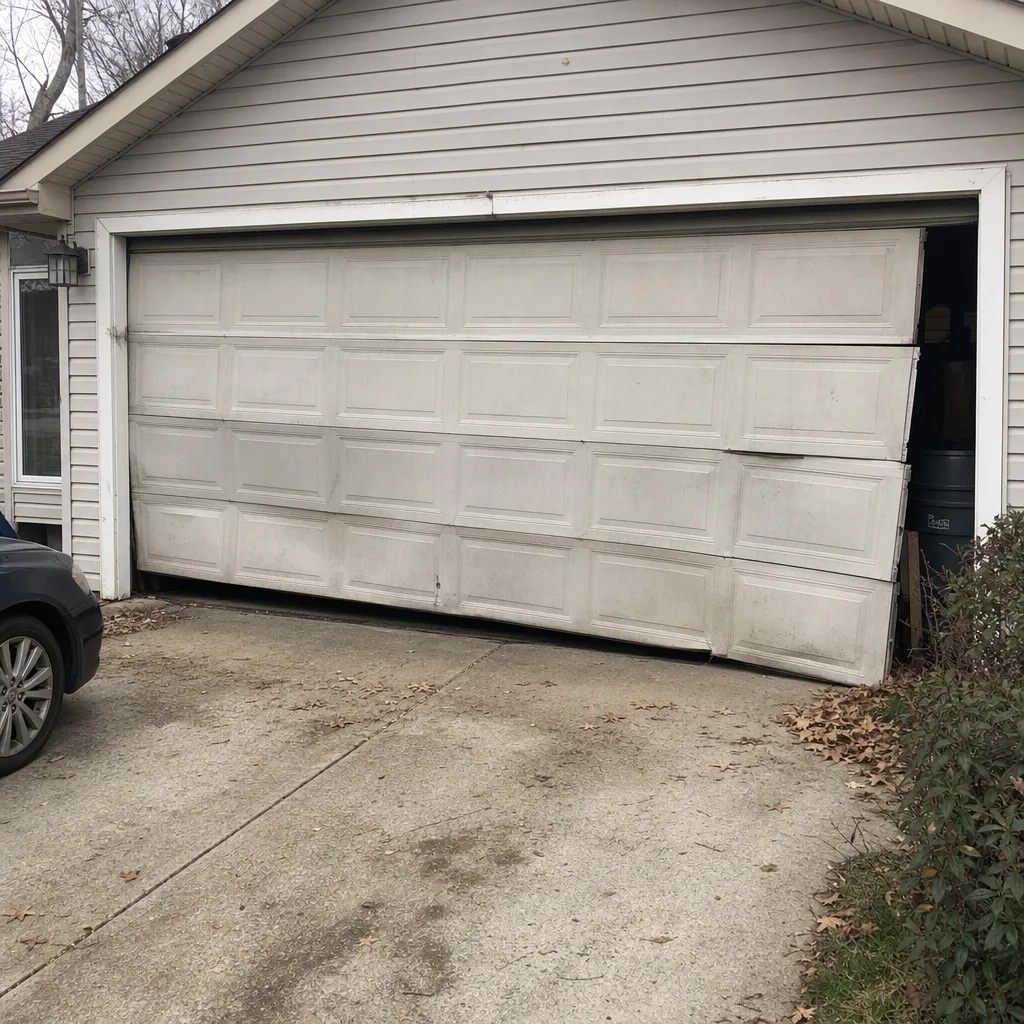 Before
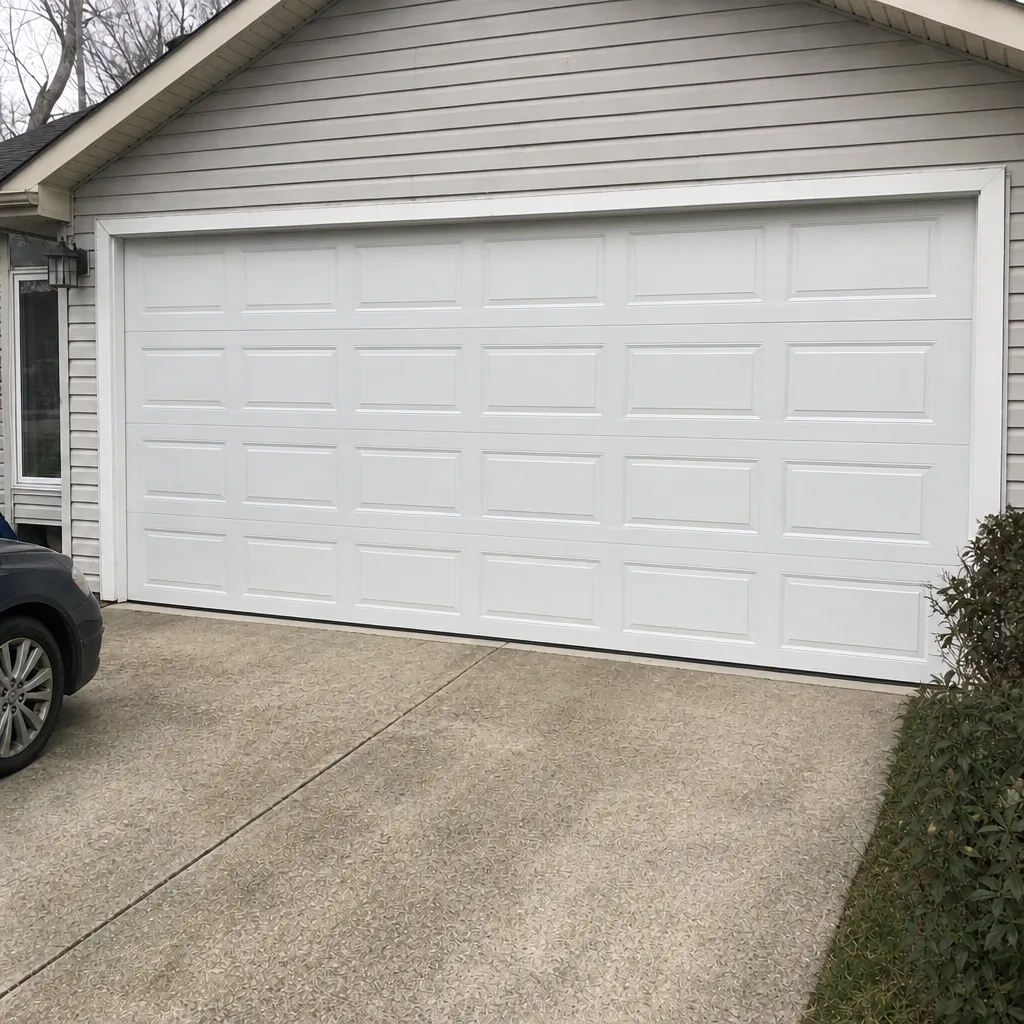 After
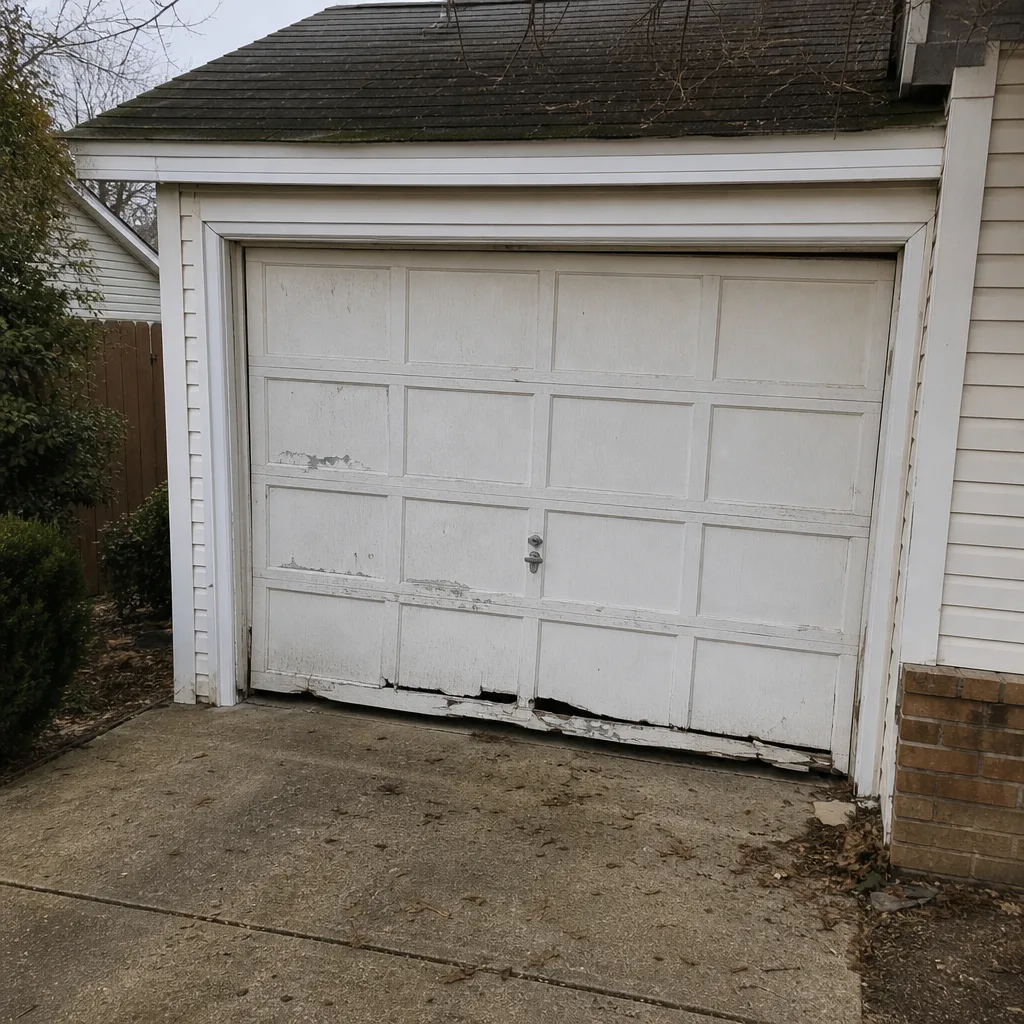 Before
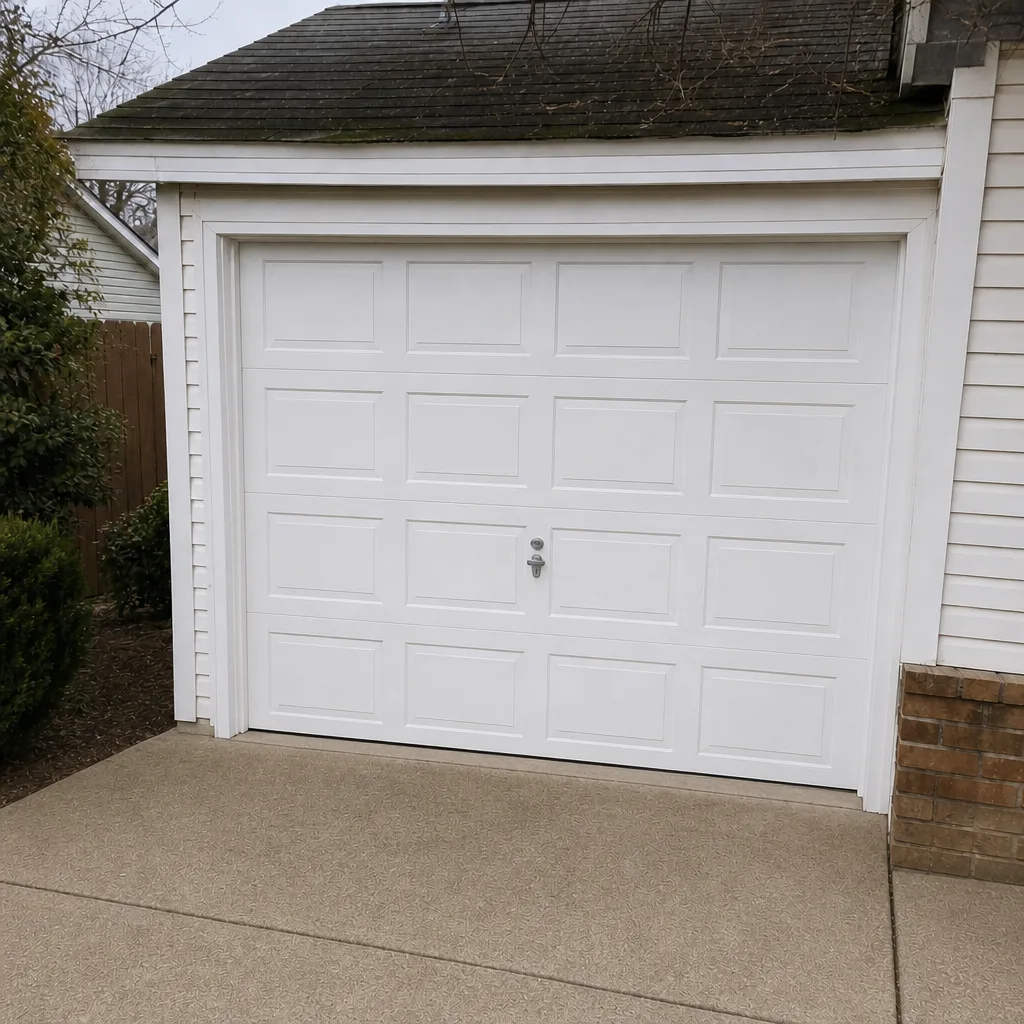 After
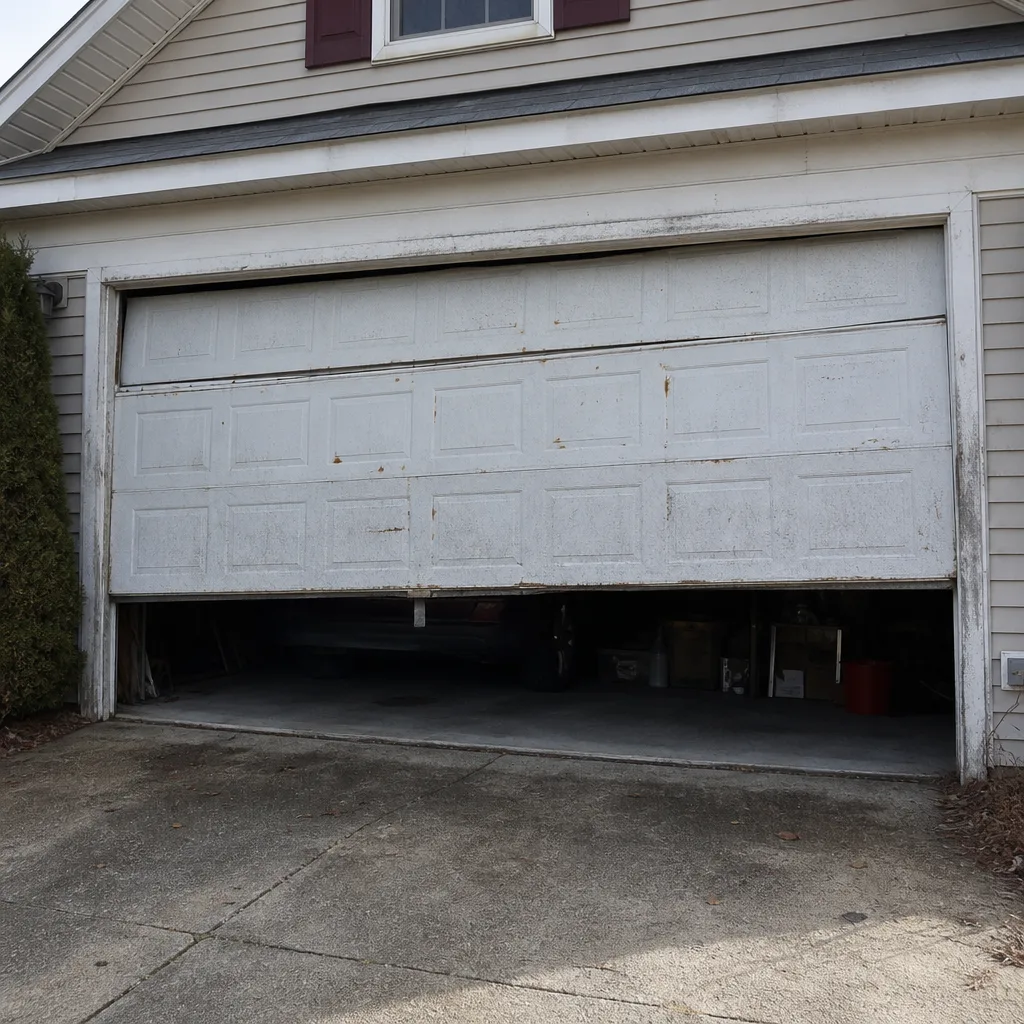 Before
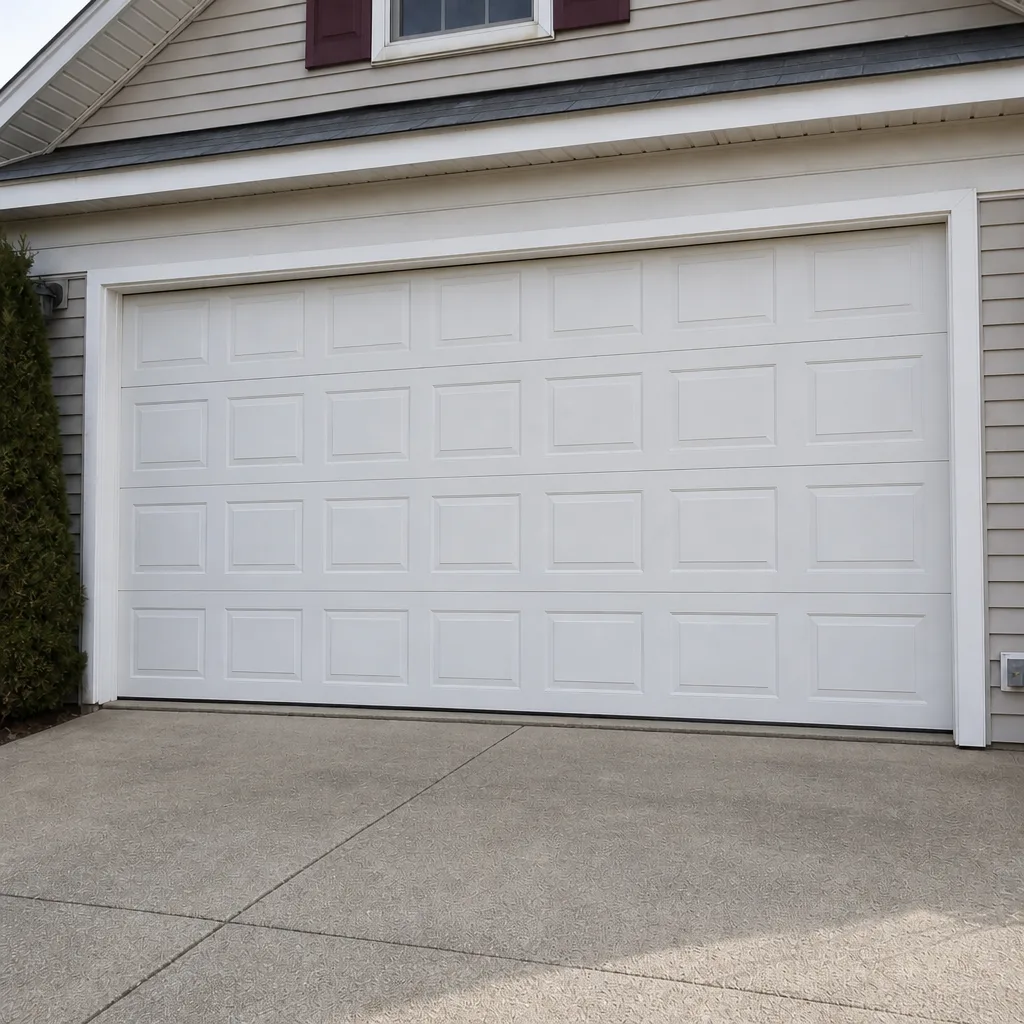 After